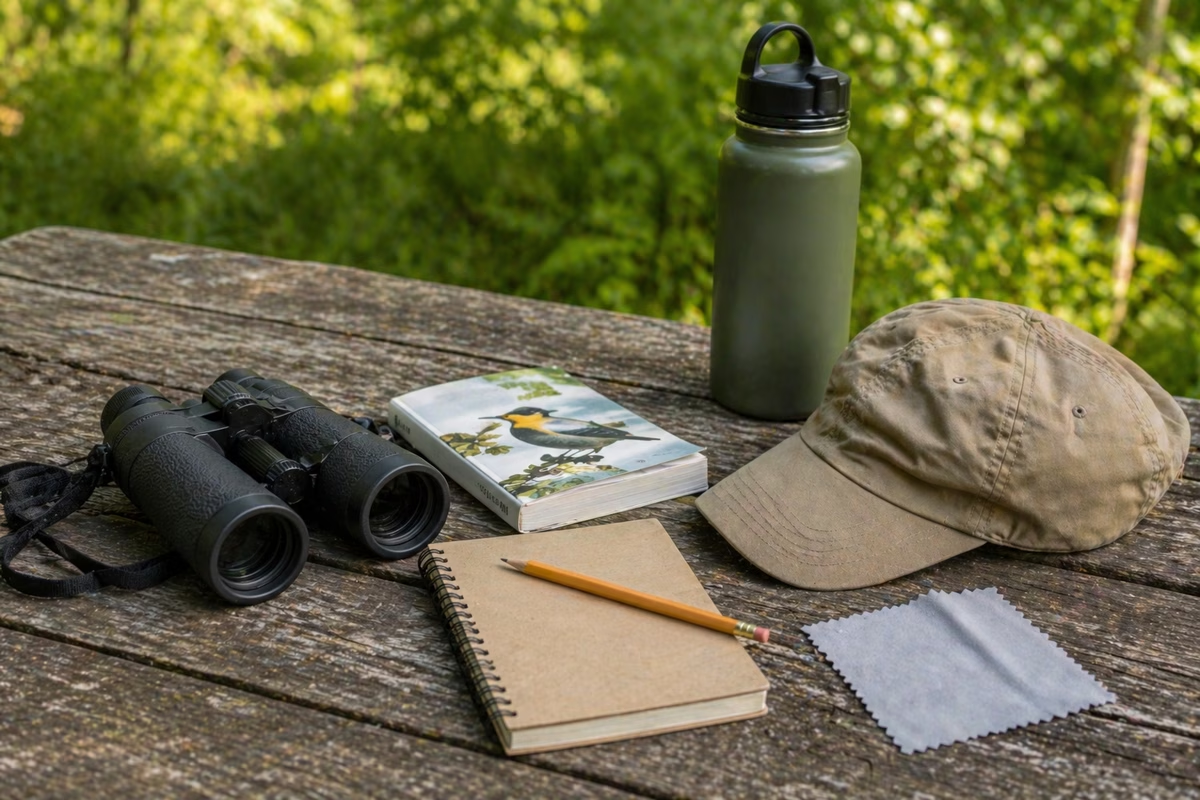
Birding gear can get expensive quickly, but the useful setup is simple: binoculars you can hold steady, a way to identify birds, comfortable clothing, and something for notes.
The rest can wait.
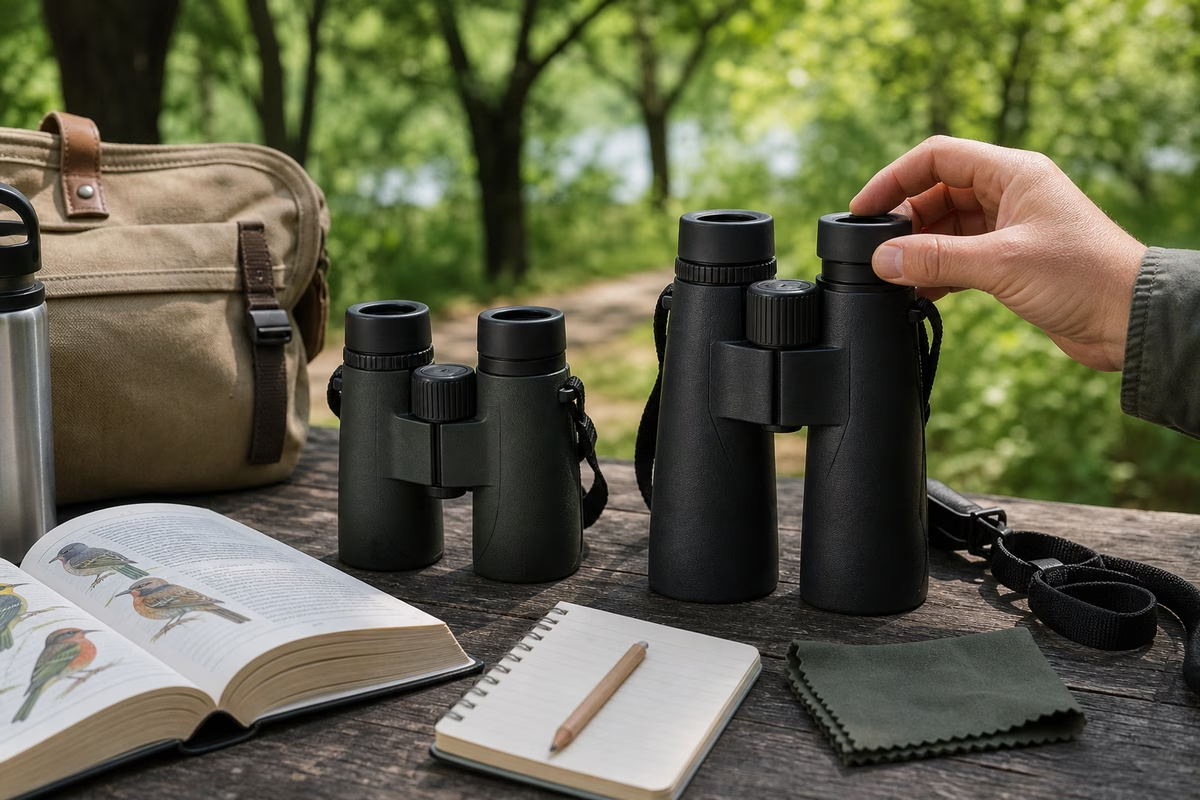
The binocular numbers
Binoculars are usually labeled with two numbers, such as 8x42 or 10x32.
The first number is magnification. An 8x binocular makes the bird appear eight times closer. A 10x binocular makes it appear ten times closer.
The second number is the diameter of the front lens in millimeters. Larger lenses gather more light, but they also add size and weight.
For birding, the common beginner sweet spots are:
- 8x42: bright, steady, comfortable, excellent all-around choice
- 8x32: lighter, smaller, still very usable in good light
- 10x42: more reach, but harder to hold steady and usually narrower in view
If you are unsure, choose 8x42. That advice sounds boring because it is the answer that keeps working.
Why not maximum zoom?
High magnification sounds useful until you try to follow a warbler in a leafy tree. The higher the magnification, the more your hand shake shows up. You also get a narrower field of view, which makes it harder to find the bird in the first place.
Birding is not just about making a bird bigger. It is about finding it quickly, keeping it in view, and seeing enough detail to make a calm identification.
An 8x binocular often lets beginners see more because they spend less time fighting the tool.
What features matter
Look for:
- comfortable focus wheel
- clear image in the center
- enough eye relief if you wear glasses
- adjustable eyecups
- waterproof or water-resistant build
- strap that does not dig into your neck
- weight you will actually carry
If you can try binoculars in a store, do it. Look at a sign, a tree branch, or a dark corner. Focus near and far. If the view feels fussy, dim, or hard to merge into one image, do not talk yourself into it.
What features matter less
Do not worry too much about perfect edge sharpness, exotic glass names, or tiny differences in published specs. Better optics are real, but beginner birding improves faster from practice than from buying the fanciest glass.
Also avoid compact pocket binoculars that look convenient but feel dim and cramped. Some are good, many are frustrating. A pair you hate using is not a bargain.
Budget ranges
Very cheap binoculars can work for casual watching, but they often have stiff focus, dim glass, and alignment problems. If birding is only a mild curiosity, borrow first.
For a first serious pair, many people do well in the budget-to-midrange zone. The goal is not status. The goal is an image that is bright enough, easy to focus, and comfortable for a full walk.
If you upgrade later, you will know exactly why. Maybe you want lighter weight, better low-light performance, or sharper detail. Upgrading after experience is much smarter than buying blind.
Field guide, app, or both?
A printed field guide is still useful because it shows similar birds together and teaches you what to compare. Apps are excellent in the field because they are searchable, portable, and often include sounds.
Use both if you like. If you prefer one, choose the one you will actually use outside.
For beginners, the best identification tool is not the one with the most features. It is the one that helps you slow down and compare likely birds in your region.
Notebook and pencil
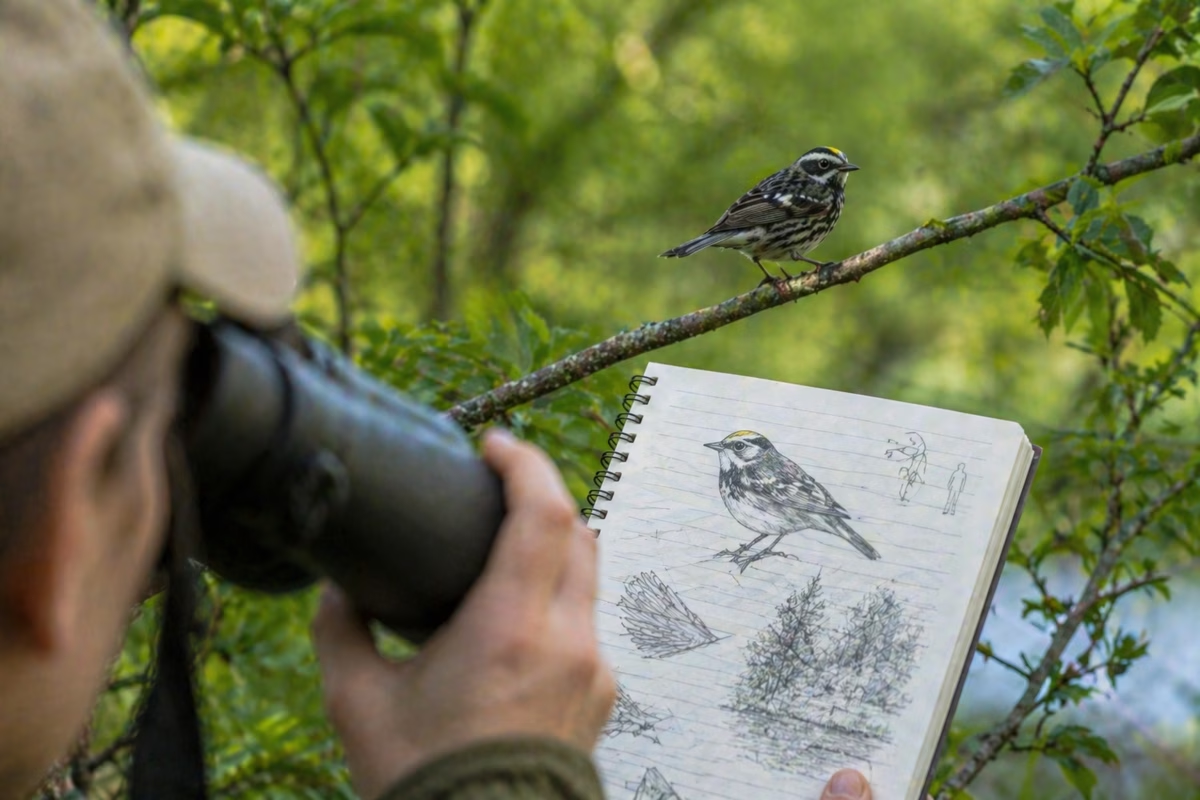
A small notebook does more for your birding than most accessories.
Write down:
- date
- place
- weather
- bird description
- behavior
- habitat
- sound if you noticed it
- your confidence level
Pencil works in damp weather and does not care if your bag gets cold. A phone note is fine too. The habit matters more than the medium.
Clothing and comfort
Wear what lets you stay outside comfortably.
Good choices:
- shoes that handle mud or wet grass
- layers you can adjust
- hat for sun
- quiet outer layer if you will be near shy birds
- neutral colors if you want to blend in a bit
You do not need costume-level outdoor gear. You do need to avoid being miserable. Cold hands, wet socks, and sunburn end more bird walks than lack of expertise.
Bags, straps, and small extras
A simple crossbody bag or small backpack is enough. Keep it light.
Useful extras:
- water
- snack
- microfiber cloth
- sunscreen
- insect repellent where appropriate
- spare pencil
- phone battery if you rely on an app
Some birders like a binocular harness because it spreads weight across the shoulders. It is helpful for longer walks, but not required on day one.
Spotting scopes can wait
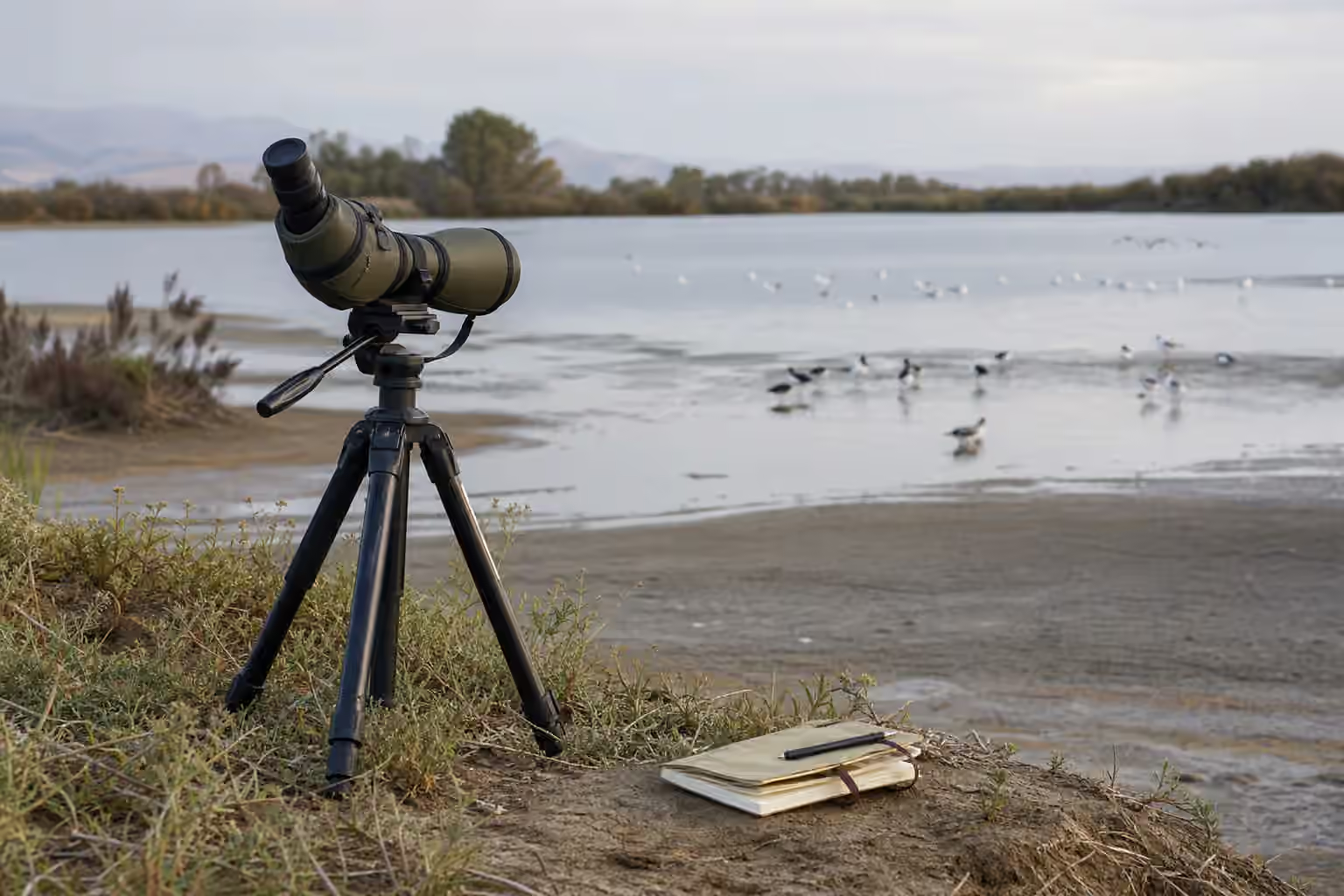
Spotting scopes are wonderful for shorebirds, waterfowl, raptors, and distant birds. They are also expensive, bulky, and slower to use.
Do not buy one first. Learn with binoculars. If you later spend a lot of time at lakes, beaches, mudflats, or hawk watches, a scope may make sense. By then you will know what kind of birding you actually do.
A clean beginner kit
Here is the setup I would recommend to a new birder:
- 8x42 binoculars
- regional field guide or trusted bird app
- small notebook and pencil
- water bottle
- comfortable shoes
- light bag
That kit can take you through parks, ponds, woods, coastlines, and neighborhood walks for years.
What to read next
Gear helps you see. Technique helps you understand. After you have a basic kit, read How to Identify Birds Without Guessing and practice describing birds before naming them.
How to use this guide well
A strong guide is not only a reference page. For How to Choose Binoculars for Birding Without Overspending, the useful work is to connect the idea to a real choice, routine, object, place, or conversation. Read the page once for orientation, then return to the part that changes what you will do next.
Start with the situation in front of you. What are you trying to decide, fix, buy, compare, build, maintain, or understand? The clearer the situation, the less likely you are to treat every detail as equally important.
Then look for the tradeoff. Most good Birding decisions involve comfort, cost, effort, timing, skill, maintenance, risk, or taste. A guide becomes practical when it shows what you gain, what you give up, and what evidence would change your mind.
Keep one small note after you act. Write what you tried, what happened, and what you would repeat. That habit turns the guide from a page you read into a skill you carry.
This guide should leave you with more than optics trivia. It should make the next step easier to see and easier to do.
What to notice after you use this guide
After reading How to Choose Binoculars for Birding Without Overspending, choose one next action that can be observed. A guide becomes more valuable when it changes a real choice, not only when it adds more facts.
Name the context. Where are you, what are you trying to improve, and what would count as a good result? The answer keeps the advice grounded in daily life.
Change one variable first. A small controlled change teaches more than a dramatic reset because you can tell what mattered.
Keep one note. Write the date, the choice, the outcome, and the thing you would repeat. The note can be plain and still useful.
Look for tradeoffs. Better birding decisions often involve cost, time, maintenance, comfort, fit, risk, or skill. Seeing the tradeoff makes the decision calmer.
If the result is unclear, wait before adding another fix. Some lessons need a second use, a different day, or a quieter comparison.
If the stakes are high, use qualified sources and professional guidance where appropriate. A guide can organize the question, but it should not pretend to replace expertise.
The goal is practical confidence: a binocular decision that makes the next step easier to choose and easier to repeat.