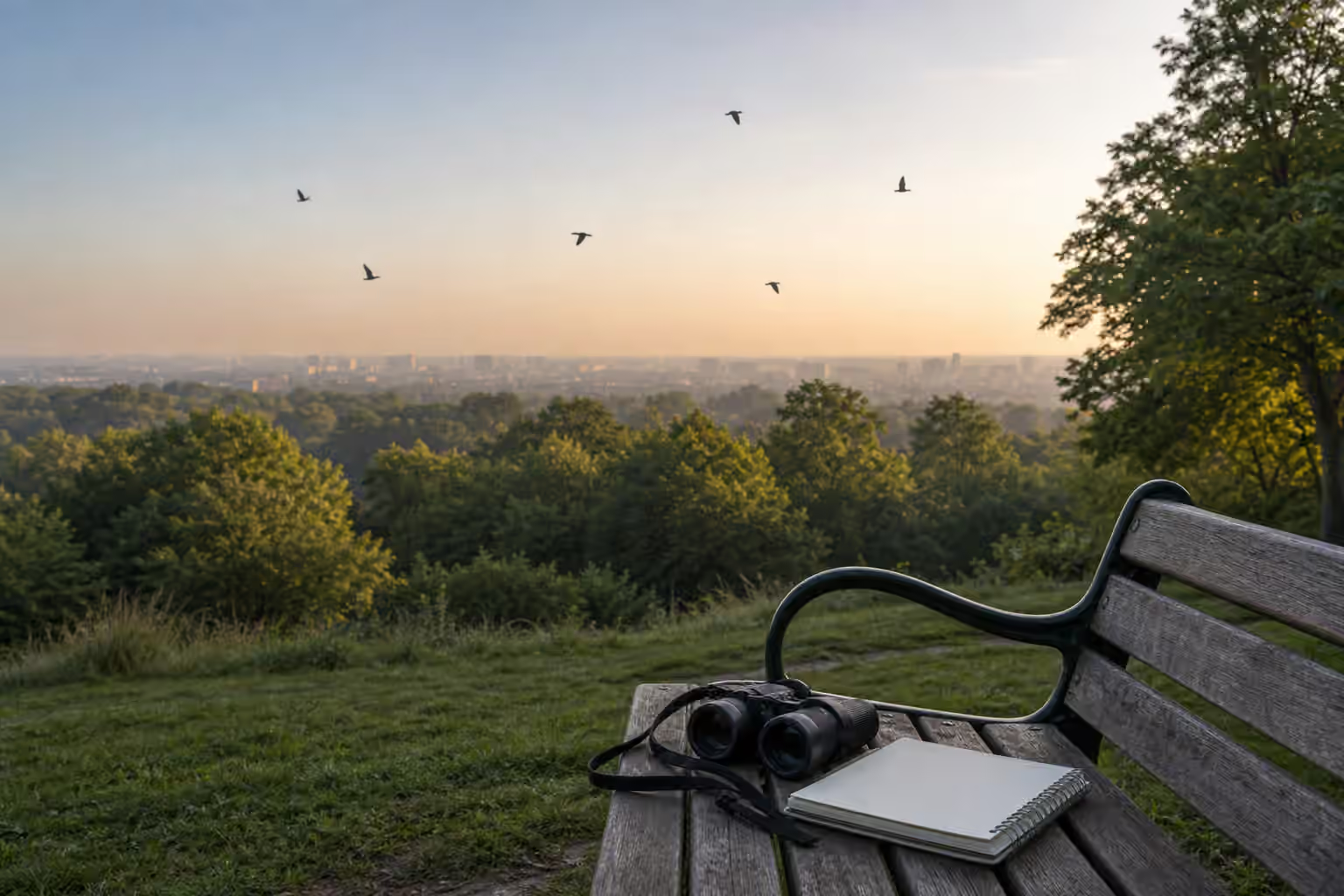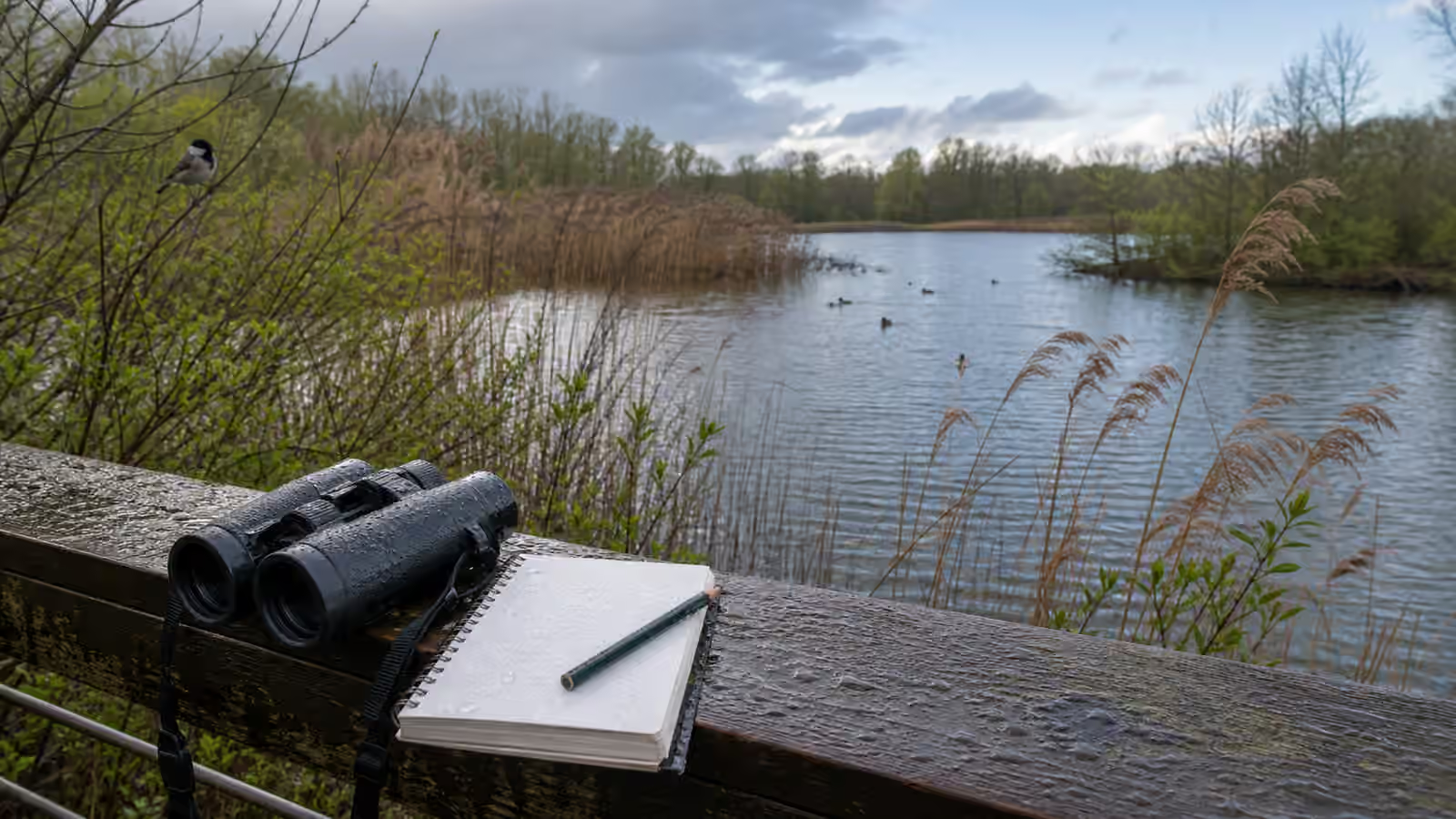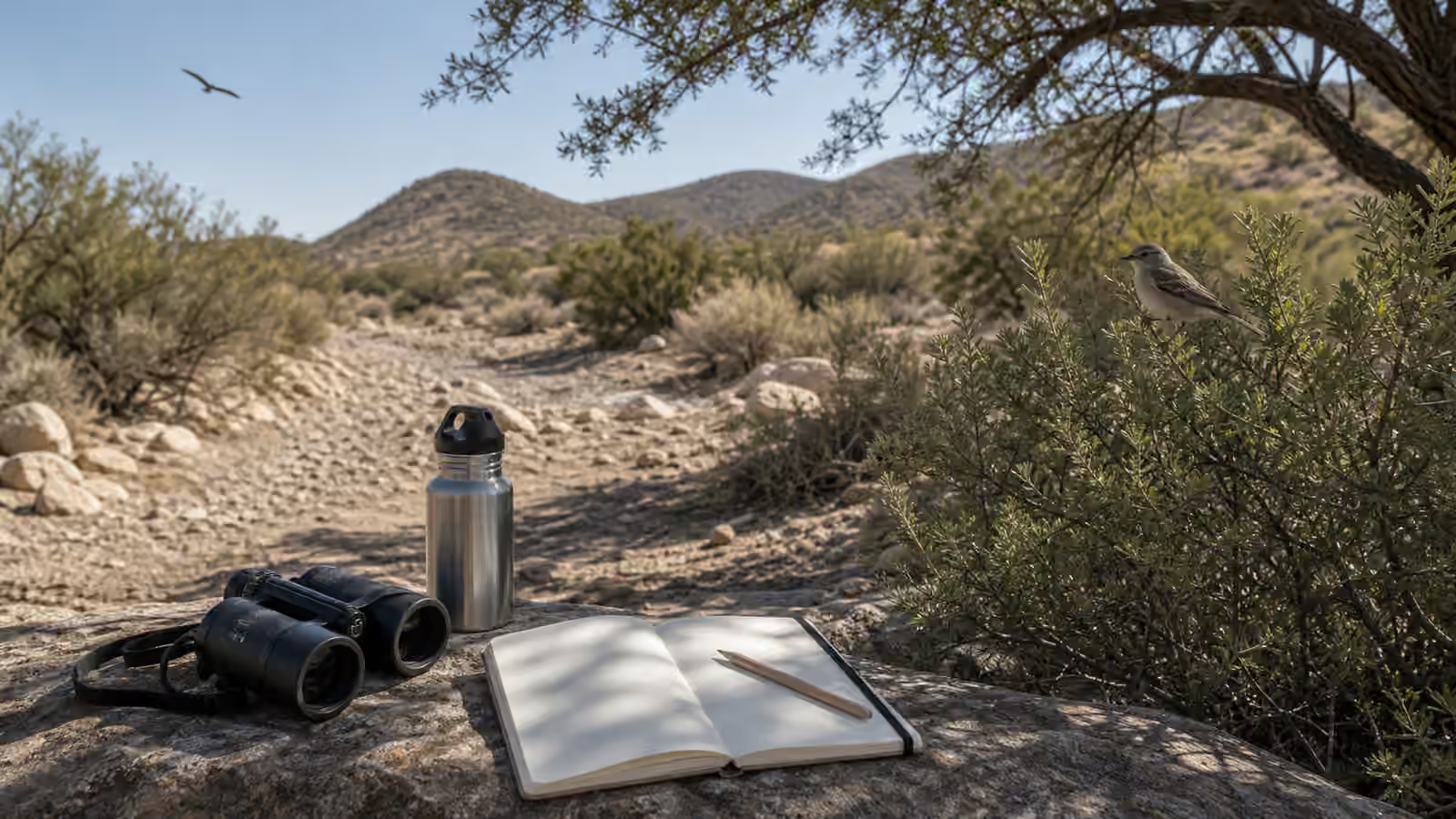
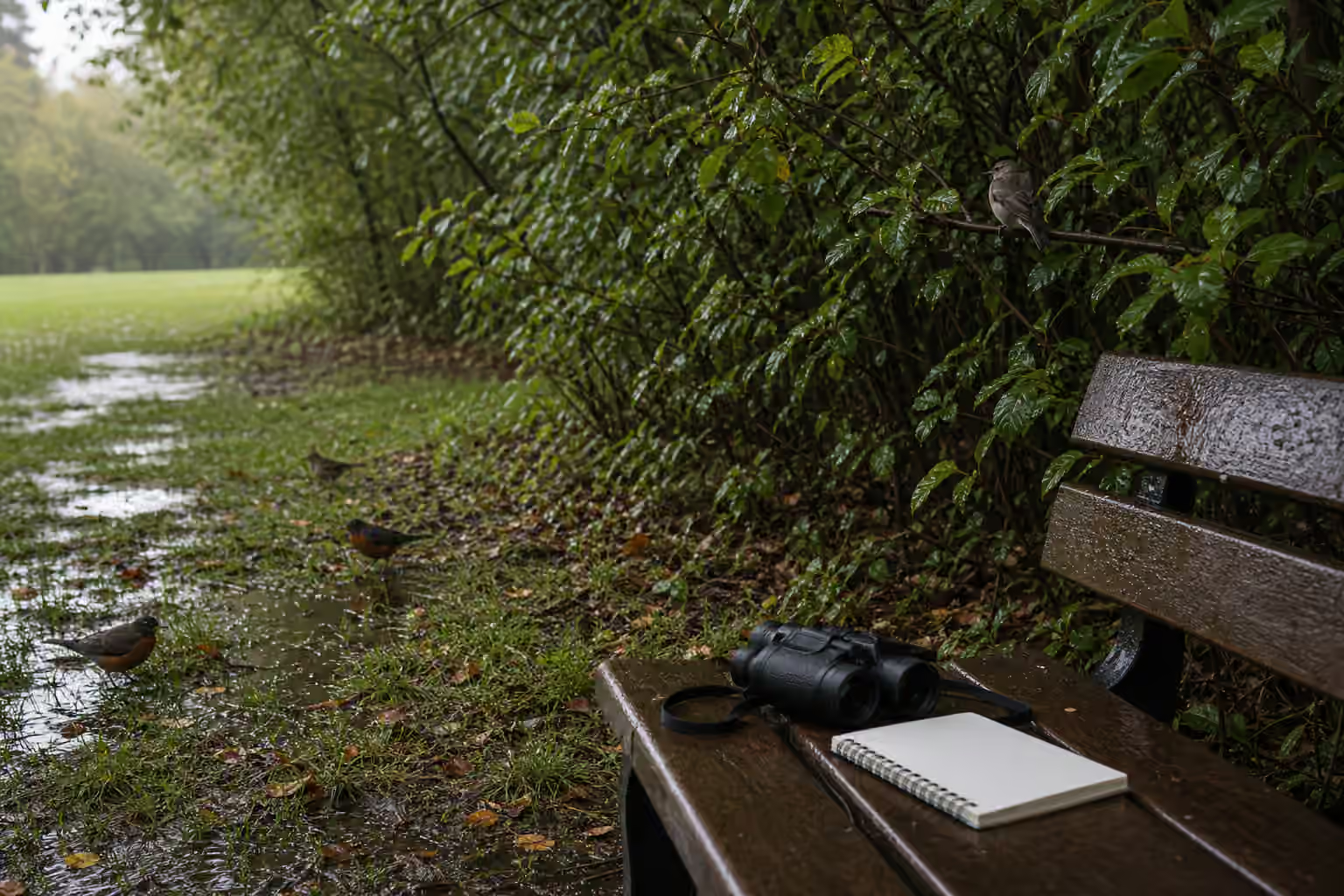
The hour after rough weather can feel newly arranged. Leaves drip, paths shine, puddles hold the sky, insects move, and birds begin making choices again. Some come out of shelter to feed. Some shift from exposed places to calmer edges. Some migrants pause because a weather system interrupted movement. Some ordinary local birds simply become easier to notice because the landscape is quiet for a moment.
This guide is a close companion to Weather Window Birding , but it focuses on the specific period after rain, wind, storms, or unsettled weather has passed enough for a safe, calm outing. It also connects to Migration Morning , Water’s Edge Birding , and Bird Signs, Tracks, Feathers, and Feeding Marks . After a storm, both birds and traces can become more legible.
Safety Comes Before Curiosity
Not every storm is a birding opportunity. Lightning, flooding, falling branches, rough surf, closed roads, unstable cliffs, cold exposure, extreme heat after storms, and unsafe access all matter more than any sighting. Wait until conditions are genuinely safe, stay on established paths, and accept that some places need time before visitors return. Birding after storms should feel observant, not heroic.
Even after the weather clears, the ground may be slippery, branches may be loose, and water may rise in ways that surprise a casual walker. Beaches, river edges, storm drains, boardwalks, and wooded trails all deserve caution. If a route is closed, flooded, or damaged, choose another place. Birds have more options than your plan does.
Safety also applies to birds. Rough weather can cost energy. A resting flock, a wet songbird feeding low, or a waterbird tucked into shelter may be managing a narrow window. Use distance and optics. Do not push birds from the very places that helped them get through the weather.
Look for Shelter First
After wind or rain, birds often appear in sheltered pockets. The lee side of a hedge, a low shrub line, the quiet corner of a pond, the edge of a building, a dense evergreen, a stream bend, or the protected side of a hill can hold more activity than exposed habitat nearby. The trick is to ask where the weather was easiest, not where the view looks prettiest.
Wind leaves clues. Leaves and grasses may still move on one side of a path while the other side is calmer. A pond may have chop in the open middle but a smooth pocket behind reeds. A field may seem empty until you check the fence line, ditch, or brushy edge. Birds read these small differences quickly because shelter saves energy and makes feeding possible.
This habit echoes Scrub and Hedgerow Birding and Conifer Forest Birding . Dense cover is not a blank wall. It is a weather tool. After storms, it may hold birds that were invisible during the roughest period and active as soon as the pressure eases.
Watch the Feeding Burst
Many birds feed actively after weather breaks. Rain can bring worms, soften soil, stir insects, wet seeds, expose mud, or collect small food in puddles and channels. Wind can shake loose fruit, cones, seeds, leaves, and insects. A clearing can warm sunlit edges just enough for birds to resume foraging. The result may be a short burst of activity that feels out of proportion to the size of the place.
Do not scan only for rare birds. Watch common birds closely. A robin working wet grass, a sparrow feeding near a puddle, a woodpecker testing damp bark, a gull checking a flooded field, or a duck using a newly quiet cove can teach how weather changes food access. The guide to Finding Birds by Food Sources becomes especially useful because food after storms often gathers in temporary places.
Timing matters. The first calm period may be busy, then quiet again. A sheltered edge may hold birds for twenty minutes and then empty as they spread out. If you arrive late, look for signs of what happened: tracks in mud, feeding marks, droppings under a roost, disturbed leaf litter, or flocks moving away from a temporary food source.
Migration Can Pause, But It Is Not Guaranteed
Storms can affect migration, but they do not create magic on command. A night of movement may be interrupted by rain or wind, leaving birds grounded in available habitat. A cold front may change the mix of birds moving through. Fog or low cloud may make flight calls more noticeable. Coastal storms may push some waterbirds closer in one region while making another place quiet or impossible to view.
The beginner’s job is to connect weather to habitat without demanding a spectacle. If migrants are present, where would tired birds find cover and food? A small grove near open water, shrubs beside a parking area, a cemetery with mature trees, a lake edge, a sheltered creek corridor, or a patch of fruiting vegetation may matter because it offers a pause. Migrant Trap Birding explains this context well.
Write down the ordinary evidence. Birds feeding lower than usual. New calls in shrubs after rain. A mixed flock moving through the protected side of the park. Thrush-like birds in damp leaf litter. Shorebirds appearing on a flooded field. These observations are valuable even when none of the birds is unusual.
Water Edges Change Quickly
After storms, water can create new birding edges. A dry basin may hold puddles. A pond may rise and cover mud. A ditch may run with insects and debris. A river may become too high and fast for some birds but create calmer backwaters elsewhere. A beach may collect wrack, shells, or food at a new line. A flooded field can briefly resemble wetland habitat.
Water’s Edge Birding teaches you to look at level, edge, shelter, and access. After storms, those details deserve extra attention. A full pond with no exposed margin may be less useful for shorebirds than it was the day before. A shallow puddled lawn may attract feeding birds for a short time. A retention basin may change from sterile-looking to active because water and insects have arrived together.
Stay out of unsafe water and unstable mud. Temporary habitat can be tempting, but some flooded places are private, polluted, fast-moving, or hazardous. Good birding does not require stepping into the best-looking patch. Often the responsible view from a path, road shoulder, or overlook is enough.
Listen to the Restart
After rain stops or wind eases, sound often returns in layers. First a few contact calls. Then a song fragment. Then flock chatter, woodpecker tapping, gull calls, or marsh notes. The restart can show where birds were sheltering and which habitats wake first.
Pause before walking. A beginner eager to cover ground may miss the first calls because they arrive while the place still looks empty. Stand still at an edge and let sound organize the scene. If calls come from low shrubs, scan there. If calls pass overhead, use the habits in Flyover Birding . If a sound repeats from one wet corner, the bird may be working that food source rather than wandering randomly.
Sound after storms can also reveal disturbance. Alarm calls, flushed flocks, and sudden silence may show that a predator, dog, person, or your own movement has changed the scene. Let that information guide your distance.
Write the Weather Into the Story
A good after-storm note includes conditions. It does not need a technical forecast. It needs enough context to explain bird behavior. Rain ended about half an hour earlier. Strong wind continued above the trees, but the shrub edge was calm. The path had puddles, and birds were feeding in wet grass. The pond was high, with no mud exposed. A mixed flock stayed in evergreens. Gulls gathered on a flooded field.
Those notes make future visits better. You may learn that one park edge is productive after rain because insects gather there. A creek corridor may hold birds after wind because it is sheltered. A pond may be best not immediately after heavy rain, but two days later when mud reappears. Storm birding becomes practical when you compare what actually happened, not when you chase vague weather excitement.
The quiet reward is that rough weather stops being only a cancellation. Once conditions are safe, it becomes a question. What changed? Where did birds find shelter? What food appeared? Which edges became useful for one hour? The answers are usually local, modest, and worth learning.