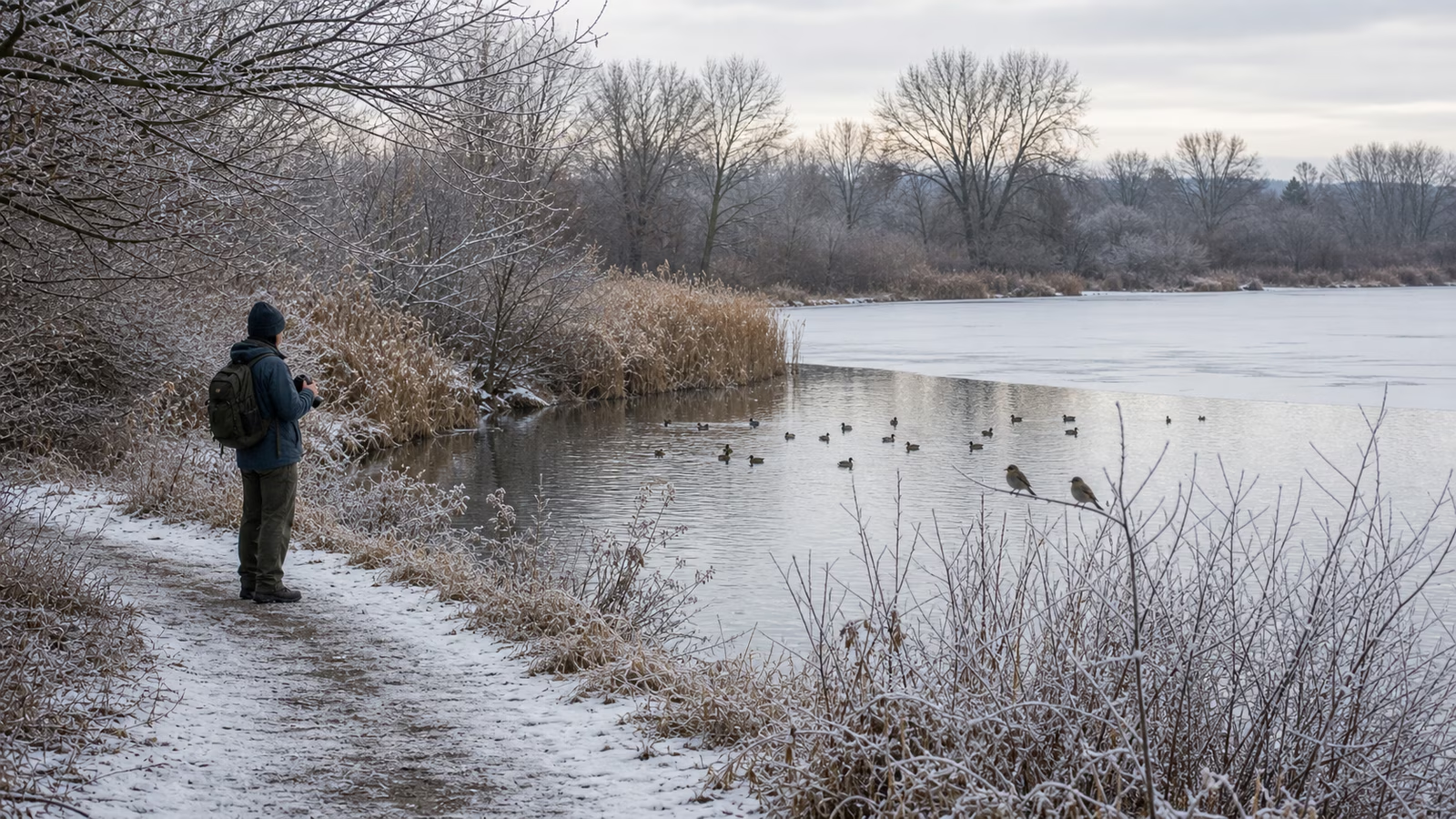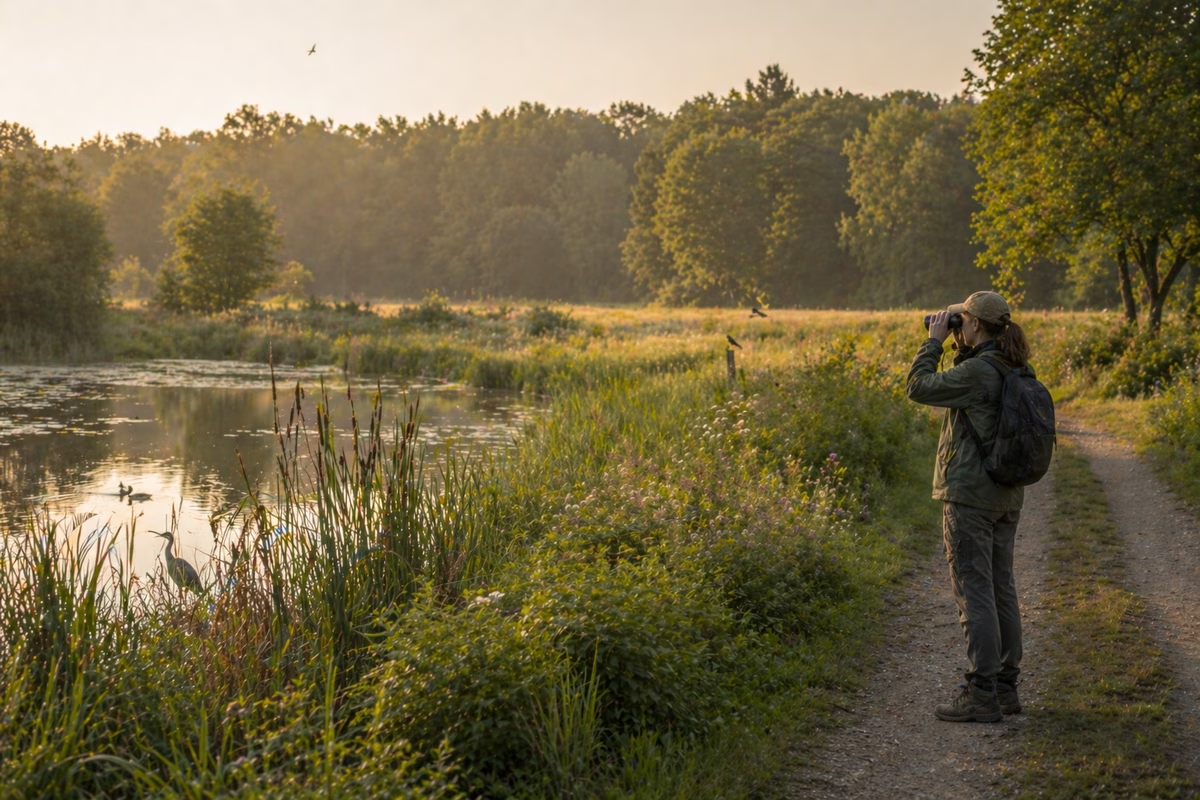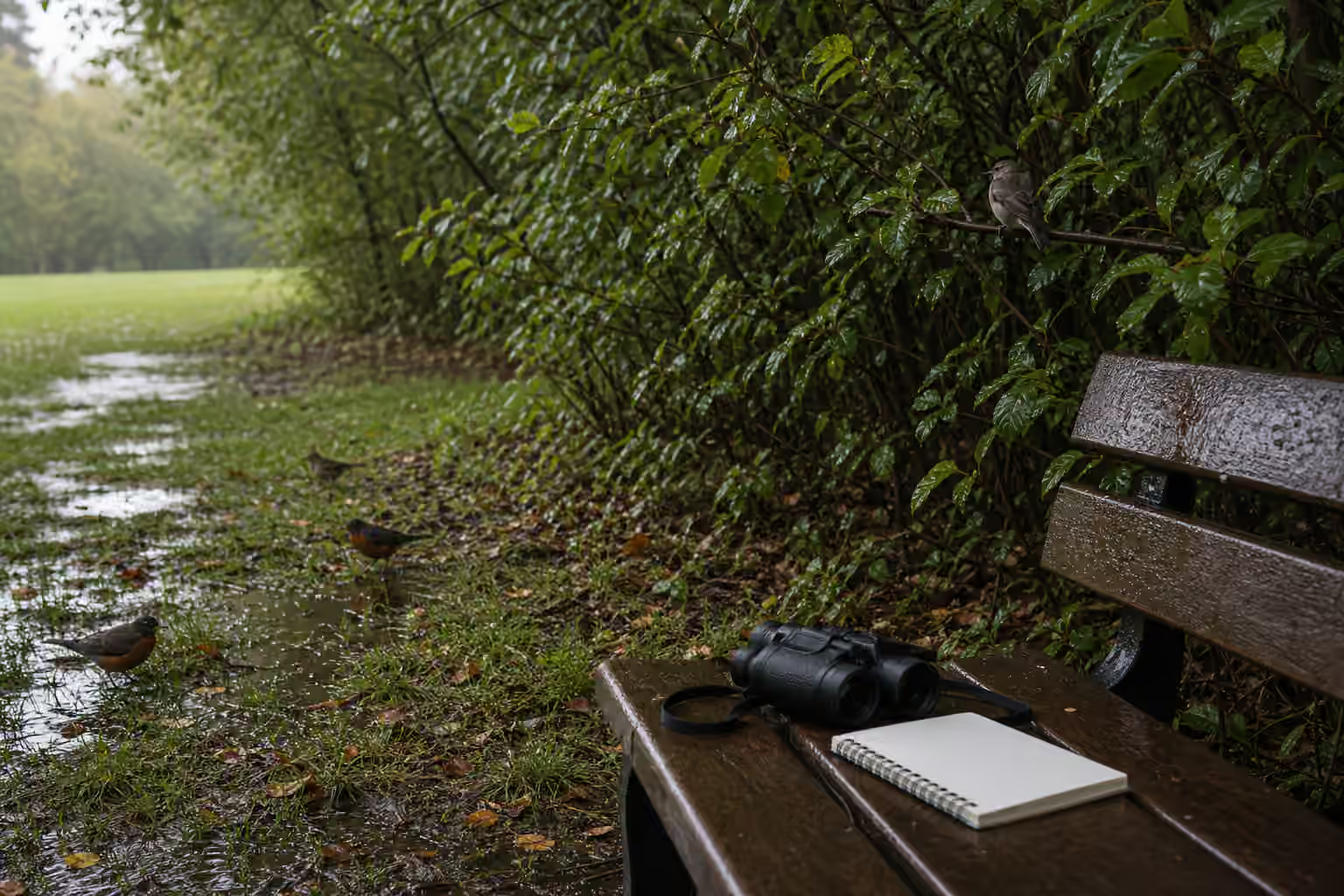
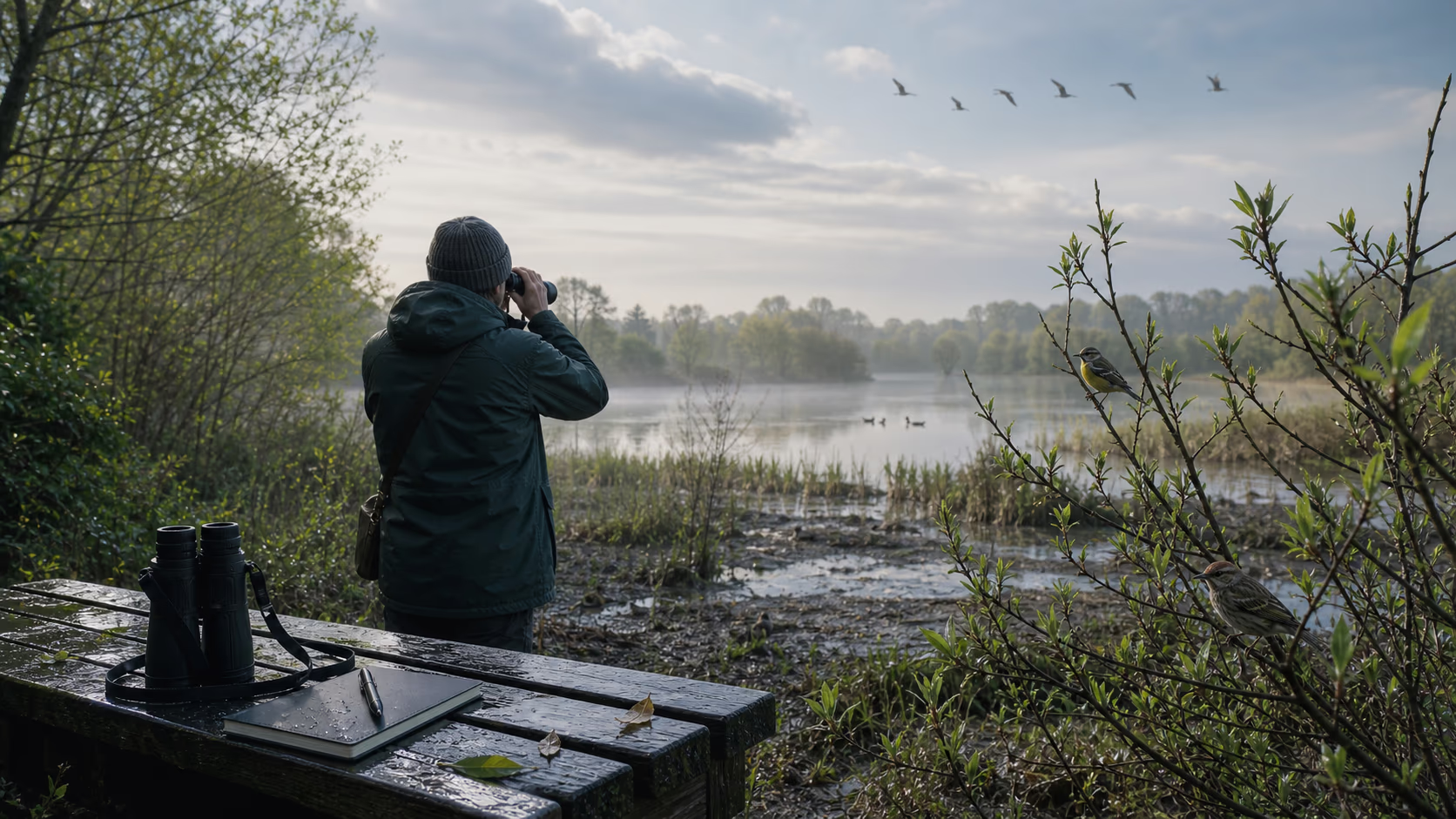
Migration can make an ordinary morning feel borrowed from somewhere else.
Yesterday the park held the usual birds. Today the same row of trees is restless. Small shapes move through leaves. A bright warbler flashes yellow and vanishes. Sparrows tick from the weeds. Swallows feed low over the pond. A hawk circles over the parking lot as if the asphalt were part of a map only it can read.
Nothing about the place changed.
Everything about the timing did.
Migration is one of birding’s great pleasures because it reveals that your local patch is connected to a much larger world. A bird in a city tree may have crossed states overnight. A shorebird on a muddy edge may be refueling for a flight longer than your commute, your vacation, and your patience combined.
For beginners, migration can also feel chaotic. The birds move fast. The field guide suddenly contains too many options. Experienced birders seem to know which morning will be good before it happens.
You do not need to master all of that at once. Start with the idea of rest stops.
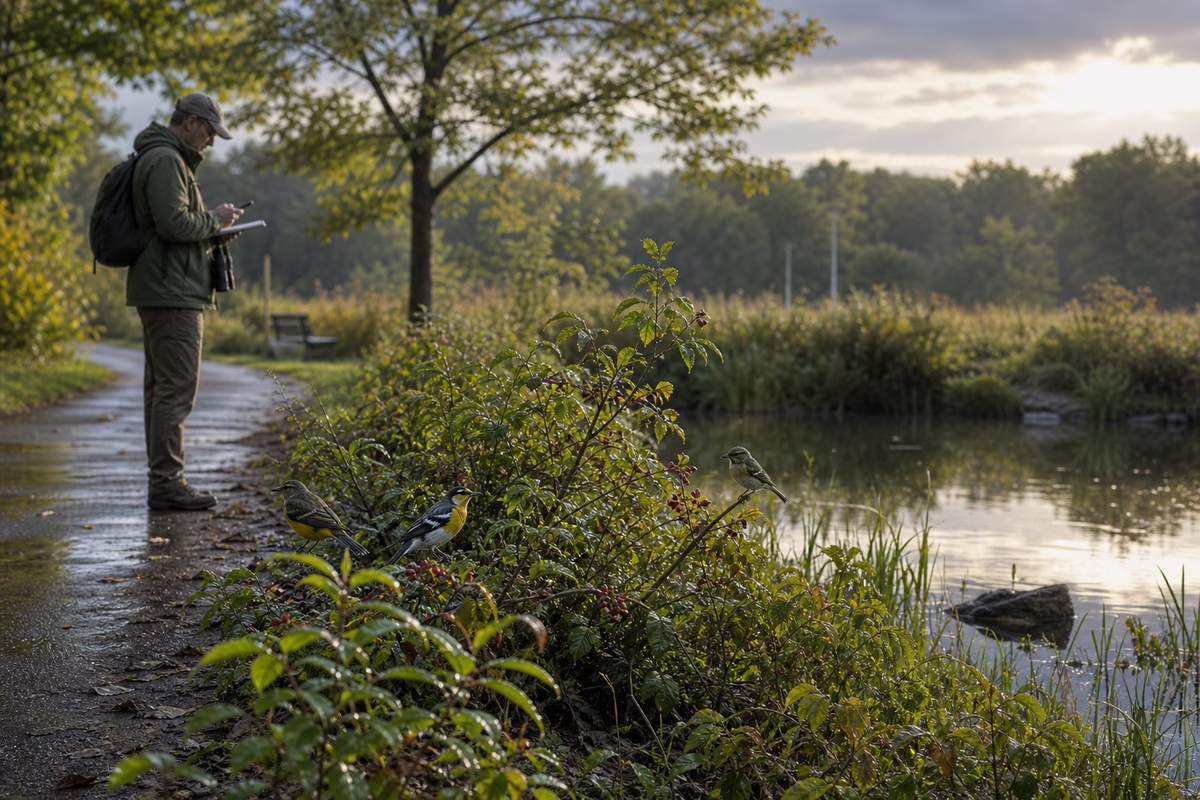
Birds Need Places Between Places
Migration is not only movement. It is stopping.
Birds need places to feed, drink, hide, and recover. That is why a small park, wetland edge, cemetery, backyard, beach, farm field, or city tree line can matter during migration. It may be one safe pause in a long route.
When you look at a place during migration, ask:
- Where could a tired bird feed quickly?
- Where is there cover from predators and weather?
- Where is there water?
- Where do insects, berries, seeds, or mudflat invertebrates concentrate?
- Where can birds move without crossing too much open danger?
This turns migration from a magic trick into habitat reading.
A migrant bird is not appearing for your list. It is solving a survival problem.
Weather Opens and Closes the Door
Birds often migrate when conditions help them.
Tailwinds can support movement. Storms can interrupt it. Rain can force birds lower. Cold fronts can clear the air and change the species mix. Fog, wind direction, temperature, and timing all matter, though beginners do not need to become meteorologists.
A simple rule helps:
After a night that encourages movement, check good habitat in the morning.
Another simple rule:
After bad weather interrupts movement, check sheltered food-rich places when conditions ease.
That is enough to begin. Write down weather in your notes. Over time you will see patterns in your own area.
Do not let migration forecasts replace field time. They are useful, but birds still have the final vote.
Edges Become Busy
During migration, edges are especially useful.
Look where habitats meet:
- trees and lawn
- shrubs and path
- pond and reeds
- beach and dune grass
- mudflat and water
- forest and meadow
- fruiting trees near open space
Edges give birds options. A small songbird can feed, hide, and move without crossing too much open ground. A shorebird can work exposed mud. A raptor can ride rising air along a ridge. A swallow can feed where insects gather over water.
The best migration walk is often slow and repetitive. You are not trying to cover every trail. You are checking the places birds are most likely to use.
Morning Song Can Mislead You
Spring migration is loud and exciting. Birds may sing while moving through, but not every song means a bird is nesting there. A migrant can sing from a temporary perch and be gone by lunch.
That is part of the beauty.
In fall, migration may be quieter. Young birds, nonbreeding plumage, and softer call notes make identification harder. Beginners sometimes think fall is “worse” because it is less colorful and less musical. It is not worse. It is subtler.
Fall teaches shape, behavior, wing bars, eye rings, tail flicks, flock movement, and patience.
Spring gives you bright signals. Fall teaches you to read weak ones.
Watch the Sky Too
Migration is not only in bushes.
Look up.
You may see geese in lines, swallows moving over water, raptors circling on thermals, gulls traveling along shorelines, or small birds passing overhead as dots and call notes. Hawk watches exist because landscape and weather can concentrate soaring birds along ridges, coastlines, and other pathways.
You do not need to identify every speck. Start with categories:
- long-necked waterfowl
- steady flapping flock
- soaring raptor
- fast small passerines
- loose gull movement
- low swallows feeding while moving
Sky watching reminds you that birding is three-dimensional. The trail in front of you is only one layer.
Be Careful With Hype
Migration creates excitement, and excitement can create pressure.
Rare bird alerts, big day reports, and dramatic photos can make beginners feel behind. You may start chasing other people’s mornings instead of learning your own patch. There is nothing wrong with visiting a good migration spot, but do not let hype train you to ignore ordinary movement.
One local warbler you watch well teaches more than ten names you copy from a crowd.
If a rare bird attracts people, be extra careful. Do not trample habitat, block paths, play calls, crowd the bird, or push past others. A tired migrant does not need a receiving line.
Migration birding should make you more aware of birds’ limits, not less.
A Beginner Migration Route
Choose one loop with three habitat types.
If you want a quick read on possible movement before you leave, open Birds to Look For This Week and compare recent nearby reports with the seasonal pattern. Treat it as a prompt for where to look, not proof that a migrant will be waiting.
For example:
- Start at a tree edge.
- Walk slowly to a pond or wet area.
- Check shrubs, weeds, or a meadow edge.
- Scan the sky before leaving.
At each stop, spend five minutes before moving. Watch movement. Listen for chips. Look for feeding behavior. If a bird appears, describe it before naming it.
Use this note structure:
Date, time, weather. Habitat. Bird size and shape. Behavior. Field marks. Sound. Confidence.
Example:
May morning after overnight rain, cool and cloudy. Small warbler-sized bird feeding low in willow by pond, yellow throat, olive back, pale wing bars, quick movements, no song heard. Possible migrant, not confident.
That is a successful migration note.
The Same Place Will Change Again
A migration morning can feel like a door opened briefly.
Tomorrow the park may be quiet. The bright bird may be gone. The sparrows may have moved on. You may wonder whether you imagined the whole thing.
That is migration.
The lesson is not that birds are unpredictable. The lesson is that timing matters, habitat matters, weather matters, and your local places are part of routes larger than they look.
Keep watching. Spring and fall will teach different skills. Some days will be empty. Some days will feel crowded with travelers. Over time, you will stop asking only, “What birds are here?”
You will start asking, “Who needed this place today?”