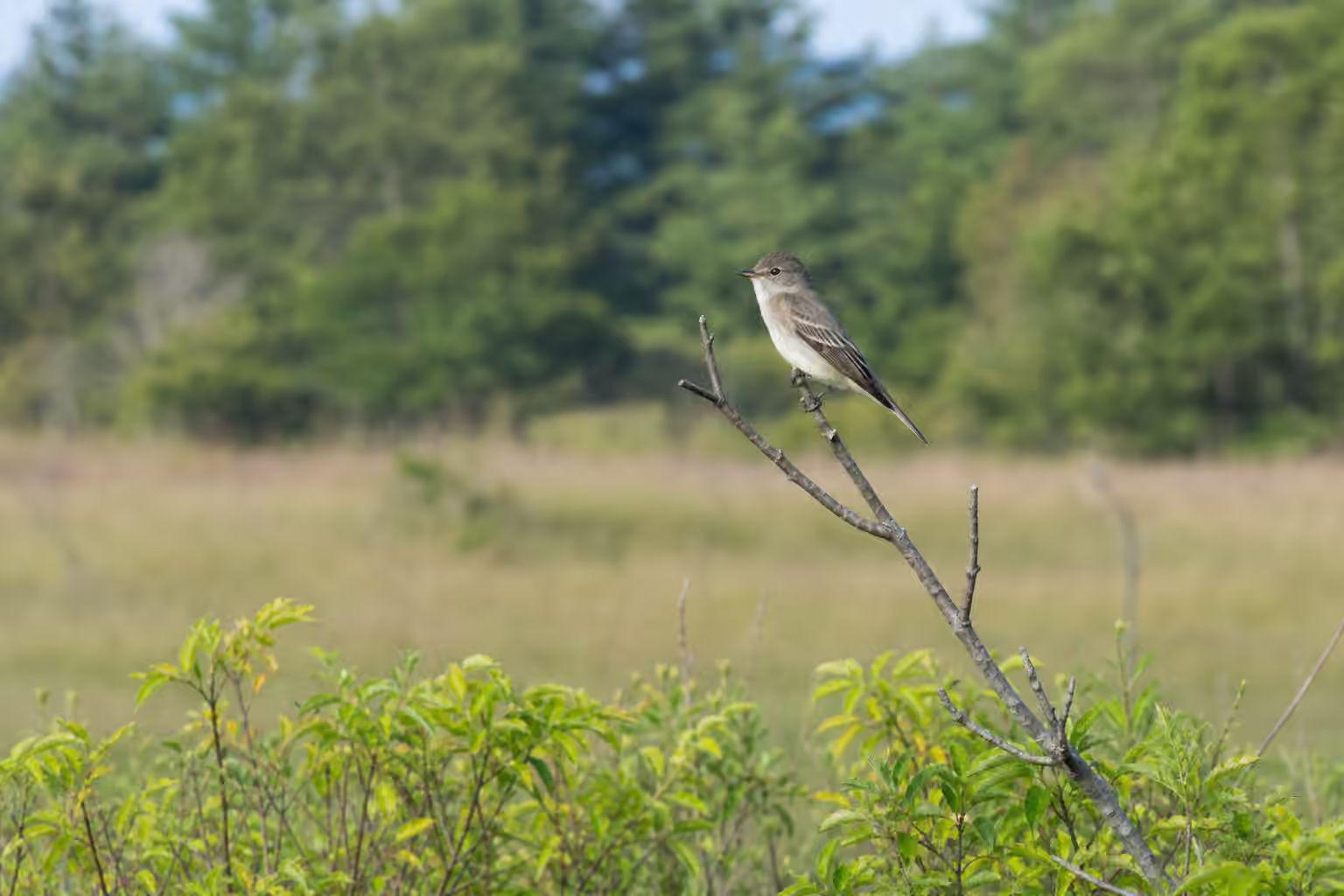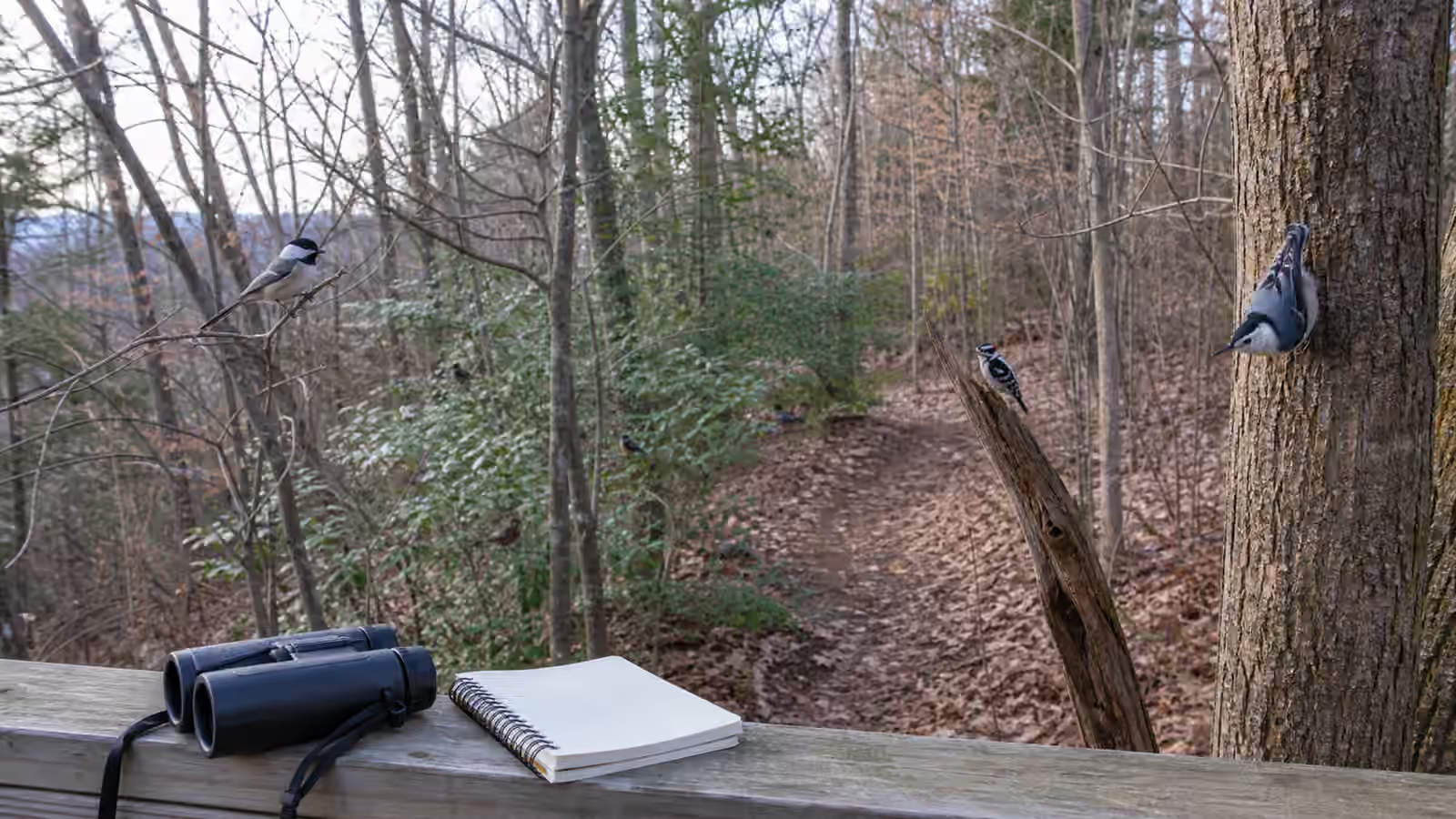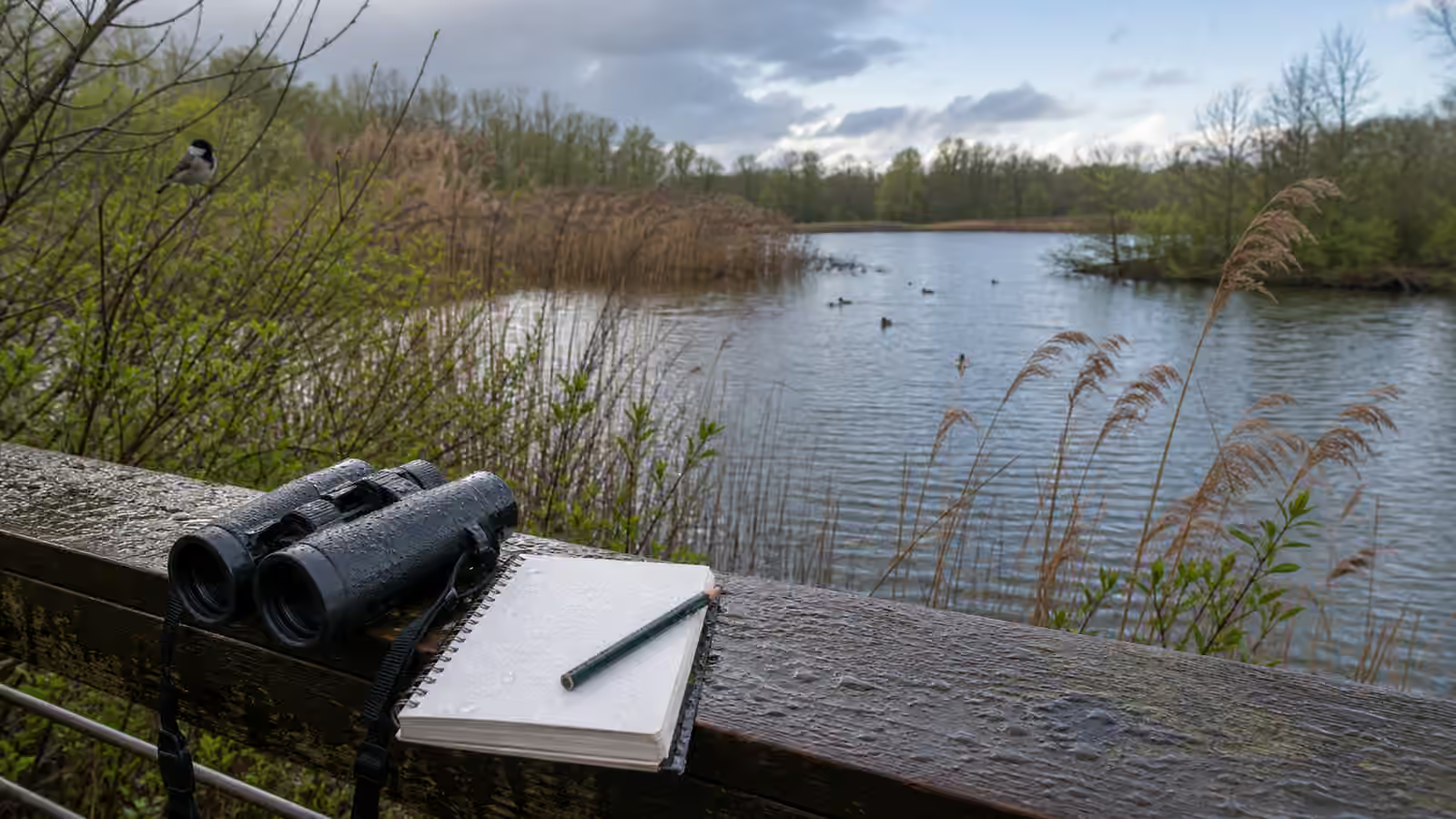
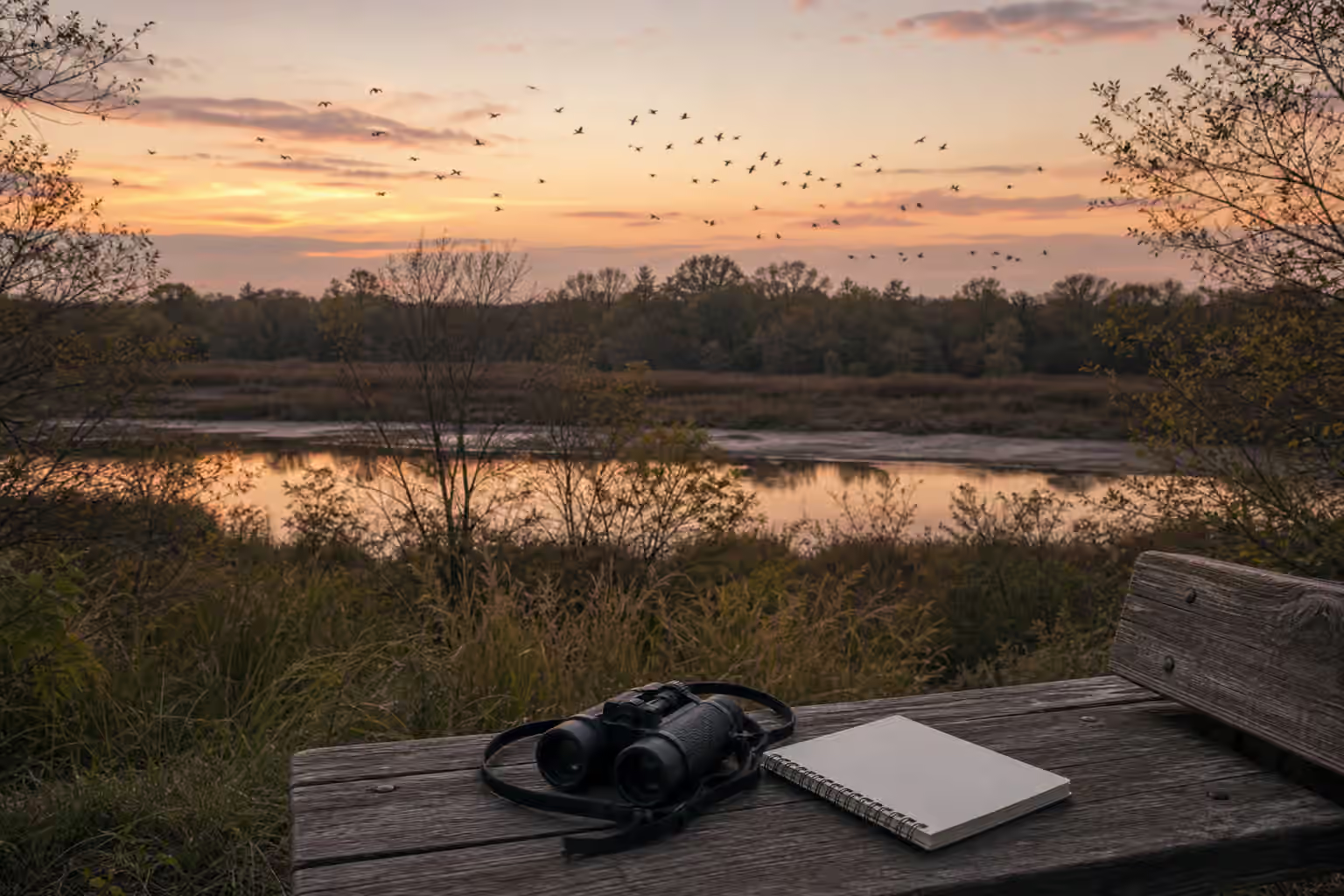
A roost is not just a place where birds sleep. It is the end of a daily movement story. Birds that spent the day feeding across fields, water, streets, marshes, woods, or shorelines may gather into trees, reeds, islands, ledges, sandbars, bridges, or sheltered water before dark. Some arrive quietly one by one. Others pour in as flocks, circle, settle, rise again, and settle once more. Watching a roost can make an ordinary evening feel full of hidden routes.
This guide connects naturally to Reading Bird Behavior for Beginners , Ethical Night Birding , Flyover Birding , and Birding Etiquette and Field Notes . Roost watching can be memorable, but it asks for restraint because birds are choosing safety at the end of the day.
Find the Movement Before the Roost
The easiest way to discover a roost is often to notice repeated evening movement. Birds crossing the same street at dusk, gulls heading inland, crows or blackbirds moving toward a tree line, herons flying toward a marsh, swifts circling over buildings, ducks leaving open water, or small birds dropping into reeds may all point to a gathering place. You may not need to stand at the roost itself. A respectful viewpoint along the route can teach plenty.
Arrive early enough to watch the pattern build. If you appear only after dark, the roost may already be settled and vulnerable to disturbance. Fifteen or thirty quiet minutes before sunset can show direction, flock size, height, and arrival waves. Some birds arrive from one direction. Others converge from many. Some drop quickly into cover. Others circle as if choosing the safest place.
Use landmarks. A flock may pass over the same gap in trees, a distant tower, a river bend, a ridge, or a marsh opening. These reference points turn the evening from a series of scattered sightings into a map. The habits from Flyover Birding work well here because many roost clues are overhead before they are visible on the ground.
Keep Distance From the Sleeping Place
A roost is a sensitive place because birds are gathering for rest and safety. Pushing too close can force birds to shift, flush, or abandon a site, especially if disturbance happens repeatedly. Some roosts are already pressured by people, dogs, boats, vehicles, lights, noise, or predators. A birder should not add to that cost.
Stand back. Use binoculars or a scope. Stay on public paths, overlooks, sidewalks, roadsides, or other appropriate access points. Avoid walking into reeds, under roost trees, onto sandbars, through marsh edges, or below ledges just to improve the view. If birds lift, call loudly, circle without settling, or move away from your position, increase distance.
Distance does not ruin roost watching. It often improves it. From farther back, you can see arrival routes, flock shape, and the way birds choose the site. Up close, you may see only alarm. The best roost view is one where birds continue their evening without treating you as part of the problem.
Read the Staging Areas
Many birds do not go straight to the final roost. They stage first. A staging area might be a field, rooftop, wire, pond, gravel bar, outer tree, marsh edge, or stretch of open water where birds gather before moving into the sleeping site. Staging can be active and noisy, while the final roost becomes quieter.
Watching staging areas can be more responsible than approaching the roost. Birds are still choosing their positions, and you can often observe from ordinary public viewpoints. Look for preening, bathing, social calling, flock tightening, short flights, and repeated lifts. These behaviors show that birds are shifting from daytime feeding to nighttime safety.
Mixed Flocks Birding helps with this because roosts may include several species using different layers or arrival times. One group may gather in high trees, another in reeds, another on open water, and another on a structure. The roost is not a single event. It is a sequence.
Let Weather and Season Explain the Choice
Roost sites often make sense when you think about weather and season. Dense evergreens may shelter birds from wind. Reedbeds can hide birds from predators. Islands and open water can provide safety from land predators. Urban trees may offer warmth or protection from some winds. Sandbars, mudflats, and beaches may be used only when tide and disturbance allow. A winter roost may be more concentrated than a summer one because food, warmth, and safe shelter are harder to find.
Weather can change arrival time and behavior. Birds may come in earlier during rough weather or short winter days. Wind may shift which side of a roost is used. Rain may make birds settle quickly. A clear evening may produce long visible approach lines. Weather Window Birding can help you read these changes without turning them into rigid rules.
Do not assume a roost is permanent in the simple sense. Some are reliable for years. Others move with water level, tree removal, predator pressure, food, human disturbance, or season. If a familiar roost changes, ask what changed in the place before assuming the birds simply vanished.
Use Sound Carefully
Roosts can be loud. Flocks may chatter, call, squabble, wing-rustle, or settle with waves of sound. The noise can help you locate birds, estimate activity, and notice when the mood changes. A sudden silence, burst of alarm, or explosion of wings may reveal a predator or disturbance.
Listening does not require adding sound. Avoid playback around roosts. Calling birds into movement at the end of the day is poor fieldcraft, and the information gained is rarely worth the cost. Let the roost produce its own sound. If you are recording, do it from a responsible distance and avoid drawing attention to sensitive locations when sharing.
The habits from Birding by Ear still apply. Describe sound shape, direction, density, and timing. The flock was loud before settling. Calls came from deep in reeds. Wing noise increased when a raptor passed. Birds quieted after sunset. These details tell the story better than a bare species name.
Leave Before Your Exit Becomes Disturbance
Roost watching has a practical problem: the best activity often happens as visibility drops. Plan your exit before dark. Know the path, closing time, road edge, tide, footing, and any safety concern. Do not use bright lights near birds if you can avoid it. If a small red or dim light is needed for your own footing, keep it pointed down and leave quietly.
Your departure matters. Walking under roost trees, slamming car doors nearby, sweeping lights through reeds, or talking loudly after birds settle can disturb the very behavior you came to observe. A good roost watch ends with the birds still in place and the observer gone.
Write notes while enough light remains, then add final impressions after you leave the sensitive area. Count in estimates rather than pretending precision when flocks are large. Note arrival direction, time, weather, species you are confident about, uncertain groups, disturbance, and your viewing position. Over repeated visits, those notes may reveal that one route is used earlier, one tree fills first, one wind direction shifts the flock, or one public viewpoint is both useful and respectful.
Roost watching changes the end of the day. The sky is no longer emptying. It is collecting movement. Done carefully, the practice teaches routes, flock behavior, weather, season, and restraint. The birds get their evening, and you get a better understanding of how the day closes.