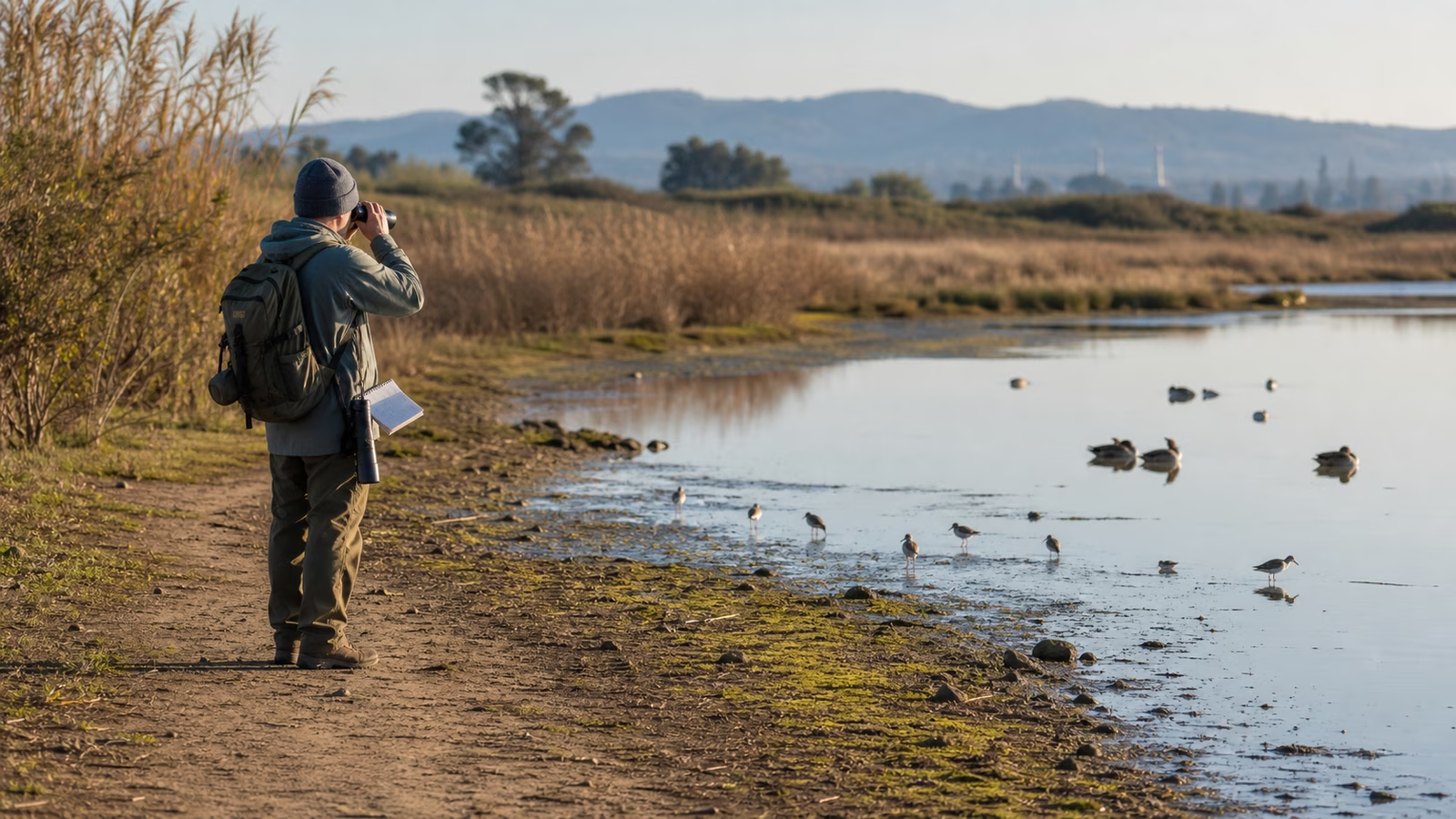
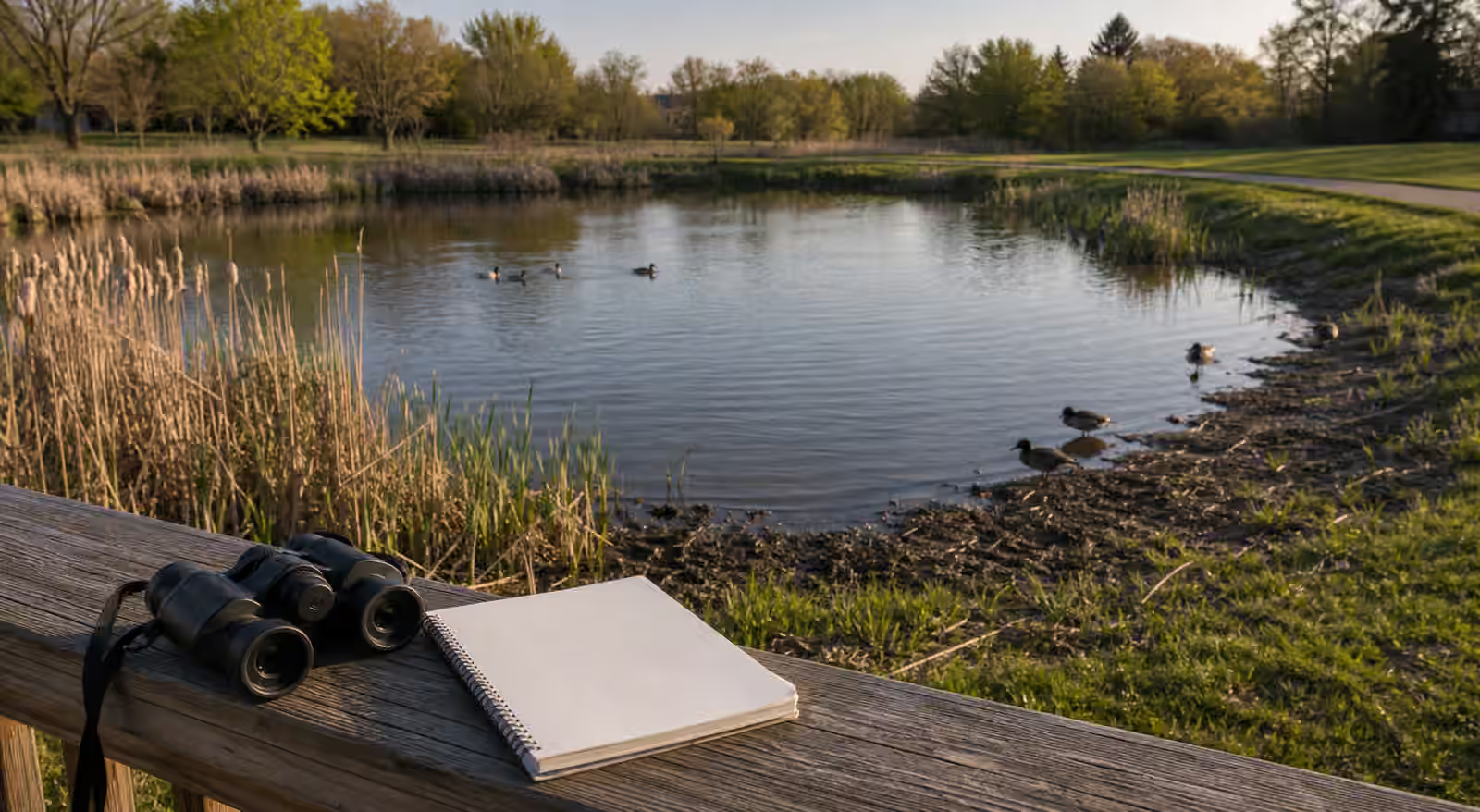
Small ponds and retention basins are easy to underestimate. They may sit behind a school, beside an office park, near a shopping center, at the edge of a subdivision, in a cemetery, or along a walking path that most people use without looking down at the water. Some are engineered for stormwater rather than scenery. Some are little more than a shallow bowl with grass, cattails, mud, and a drain. Birds do not care whether a place was built for charm. If it offers water, food, shelter, and enough room to feed or rest, it can matter.
This guide fits beside Water’s Edge Birding , Ducks and Waterfowl for Beginners , and Urban Birding . A small pond may not have the drama of a marsh or lake, but it can teach the same core skills in a place you can repeat often.
Begin With the Whole Basin
Before looking for species, read the shape of the water. Is the pond deep through the middle or shallow along the edges? Is there exposed mud, floating vegetation, cattails, bare gravel, a grassy slope, a drainage channel, shrubs, a fence line, or a sheltered cove? Does one side receive sun while another stays shaded? Are there perches, snags, rocks, pipes, low branches, or an island?
These details matter because different birds use different parts of the basin. Dabbling ducks may feed in shallow water. Wading birds may stand where the edge drops gently. Sandpiper-like birds, wagtail-like birds, blackbirds, and sparrows may work mud or wet grass where present. Swallows may feed over insects rising from the surface. Kingfishers may use a wire or branch if there is open water below. Herons may stand at a corner that looks empty until a small fish moves.
Start from a distance. Small ponds can concentrate birds in a tight space, so walking straight to the rail or edge may push everything away. Pause before the obvious viewpoint and scan near water first, then far water, then the edges. The closest bird may be hidden by grass at your feet.
Let Water Level Explain the Day
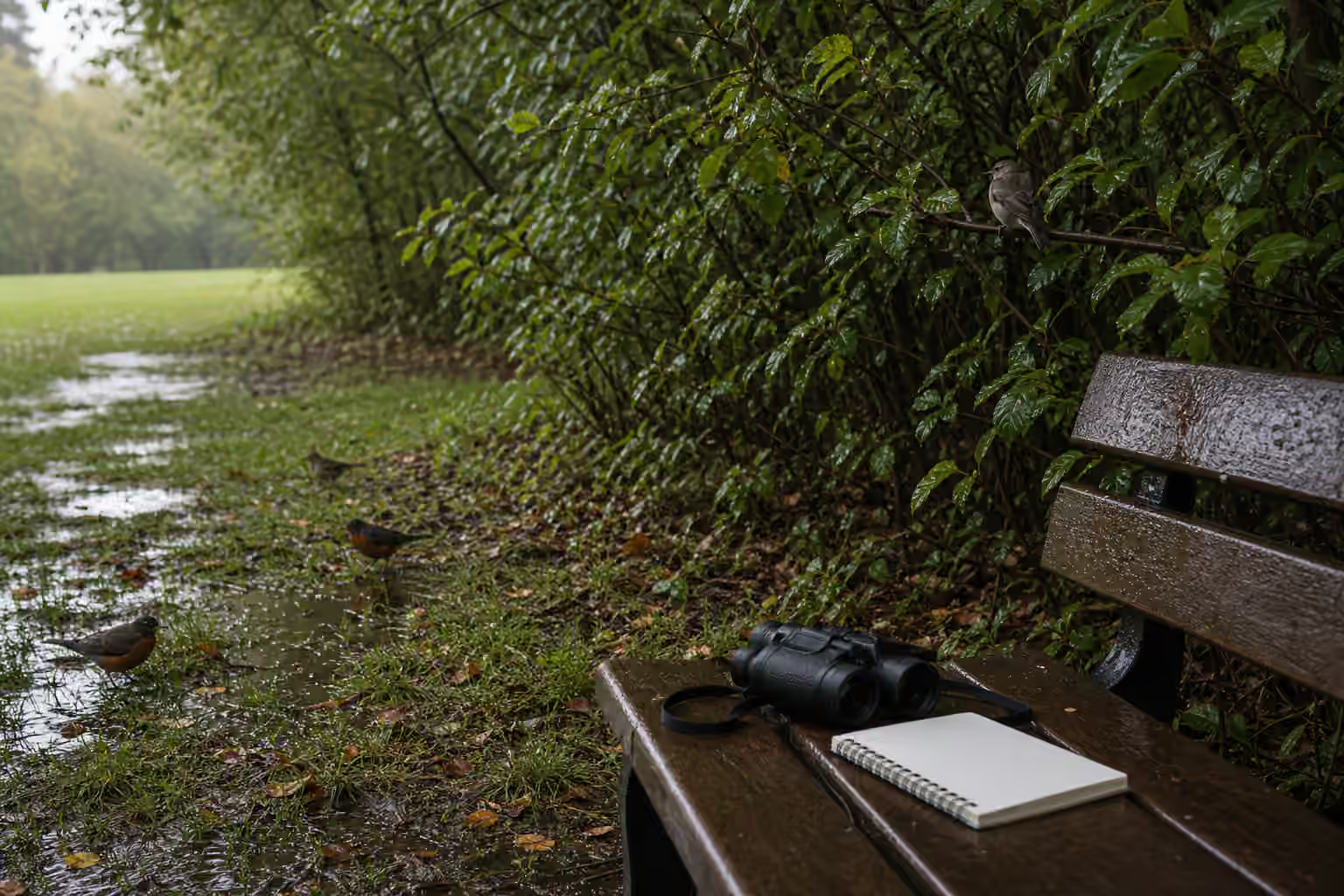
Retention basins change quickly after rain, dry spells, maintenance, mowing, and seasonal growth. A full pond may hide mud and spread birds out. A low pond may expose feeding edges. Fresh rain may soften lawns and bring insects to the surface. A dry spell may concentrate birds around the remaining water. A basin that looked useless last week may become productive after a storm, and a busy pond may go quiet when the water rises.
Write water level in plain language. The mud rim was exposed. The grass was flooded. The inlet was running. The cattails were dry at the base. The pond was full to the stone edge. These notes are more useful than they sound. After several visits, you may learn that one basin is best when water drops, another after rain, and another only when wind makes larger water too rough.
Weather Window Birding helps here because small water reacts visibly to weather. Wind can push floating food and insects to one side. Rain can create temporary puddles beside the pond. Heat can quiet open slopes but keep shaded edges active. Cold can gather birds where water remains open. The basin becomes a small weather station for bird behavior.
Watch Edges More Than Open Water
The open center may hold ducks or resting birds, but the edges often teach more. Look where water meets mud, grass, reeds, rocks, or shadow. Small prey, seeds, insects, snails, plant matter, and shelter often gather along those boundaries. A bird that seems to be standing still may be hunting precisely. A duck near reeds may be safer than one in the middle. A sparrow at the wet grass may be feeding on something the dry lawn lacks.
Move slowly around public paths, if access allows, and notice how the view changes. From one side, glare may erase detail. From another, the same bird may show bill shape, posture, or feeding behavior. Do not leave paths, climb fences, or push through planted edges for a better angle. The best view is not worth damaging the habitat or disturbing birds that depend on a small place.
Herons and Egrets and Kingfishers and Fishing Perches both become practical at small ponds. These birds often reveal whether the water supports fish, frogs, insects, or other prey. Even when you do not see the prey, the bird’s attention points to it.
Compare Common Water Birds Carefully
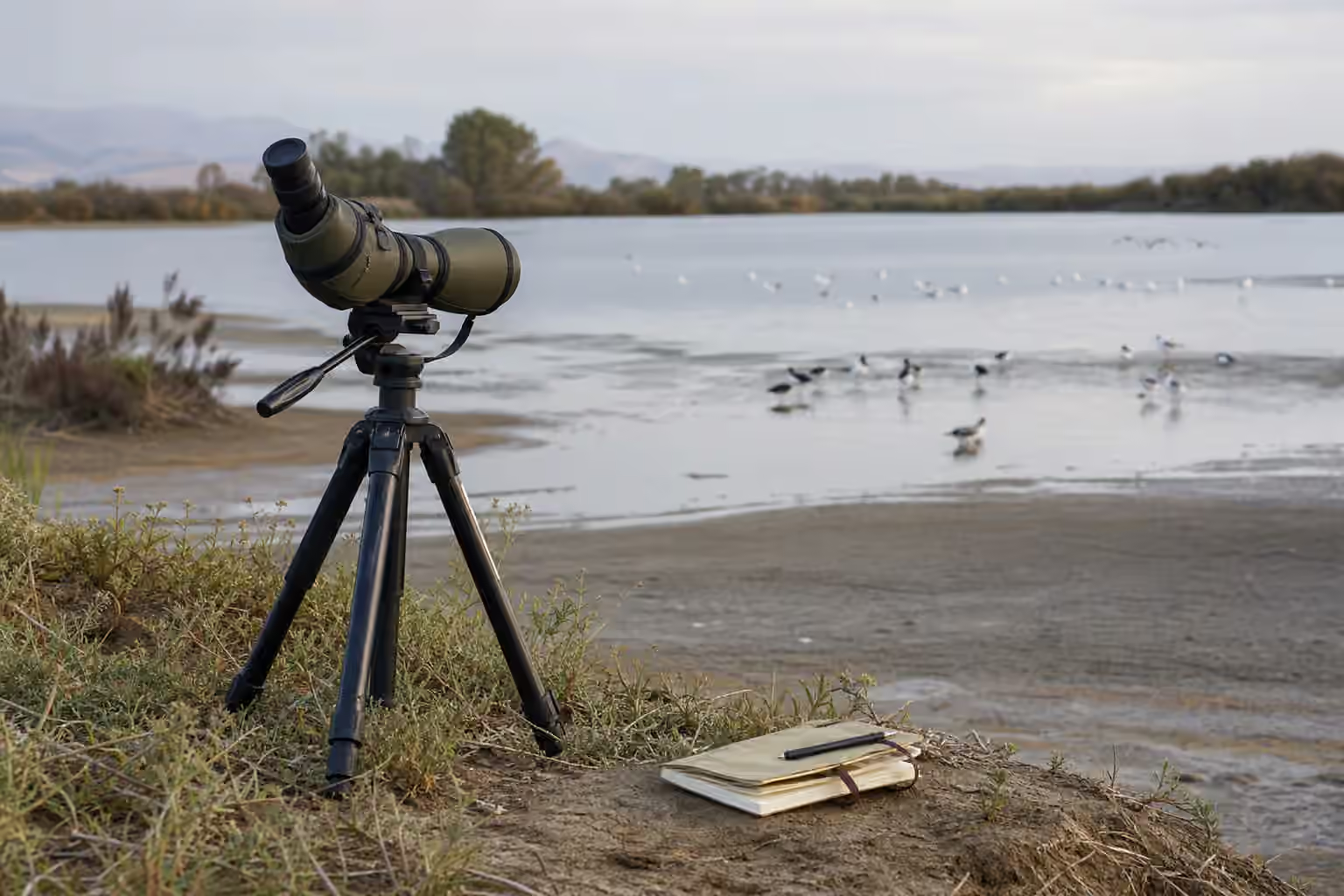
Small ponds are good classrooms for common birds. Ducks, geese, coots, moorhen-like birds, gulls, herons, blackbirds, swallows, cormorants, kingfishers, and shorebird-like visitors may appear depending on region and season. The advantage of a small pond is that you can watch behavior closely without needing a scope.
Ask how each bird feeds. Is it dabbling with tail up, diving fully under, grazing grass, probing mud, picking insects from the surface, striking from stillness, skimming low over the water, or loafing on a bank? These verbs often sort birds before markings do. They also make familiar species worth studying. A common duck, seen well, teaches body shape and feeding rhythm. A common heron teaches patience and strike posture. A common swallow teaches how insects concentrate above water.
The guide to Reading Bird Behavior for Beginners is especially useful at ponds because behavior is often visible. Water gives birds an open stage. You can watch approach, feeding, alarm, rest, preening, and reaction to people. If a bird leaves every time walkers pass one corner, that is part of the field note.
Treat People and Maintenance as Part of the Habitat
Many small ponds are busy human spaces. Joggers, dogs, mowers, school buses, office breaks, cyclists, fishing where allowed, and grounds maintenance can shape bird use as much as vegetation does. Birds may feed early before traffic builds, rest on the far side when people pass, or return after a mowing exposes insects. Some birds become tolerant of predictable movement, while sudden approaches still disturb them.
Record human rhythm without judging the place too quickly. A pond beside a parking lot may be active at sunrise and empty at noon. A school pond may be quiet on weekends. A business-park basin may draw gulls after rain. A community pond may hold birds on the far bank because people reliably stay on one path. These patterns are ordinary field evidence.
Ethics still matter. Keep distance from birds, do not feed them for a closer view, give nesting or young birds extra space, and keep optics away from nearby homes, offices, or people. If access is unclear, choose another pond. Birding works best when the place remains usable for everyone, including the birds.
Make a Repeatable Pond Circuit
A small pond becomes more interesting when you visit it repeatedly. Pick three or four points where you can look without crowding birds: an approach view, a shaded edge, a wide overview, and a place where the inlet or outflow is visible. Walk the same circuit in different conditions. Morning, evening, after rain, during wind, in winter, and during migration may all produce different lessons.
Keep notes that connect birds to pond condition. Instead of writing only “two ducks,” write that they were dabbling in the shallow south corner after overnight rain. Instead of only “heron,” note that it stood at the shaded inlet and struck twice at the surface. Birding Checklists and Local Records encourages exactly this kind of context. The name matters, but the setting explains why the bird was there.
Small ponds do not always produce long lists. Some visits will be quiet, littered with glare, or interrupted by normal human use. That is fine. The strength of these places is availability. A modest basin that you can watch often may teach more about water, weather, edges, and behavior than a famous wetland you only see once. The habit is simple: read the water, respect the edges, and let ordinary ponds become part of your birding map.