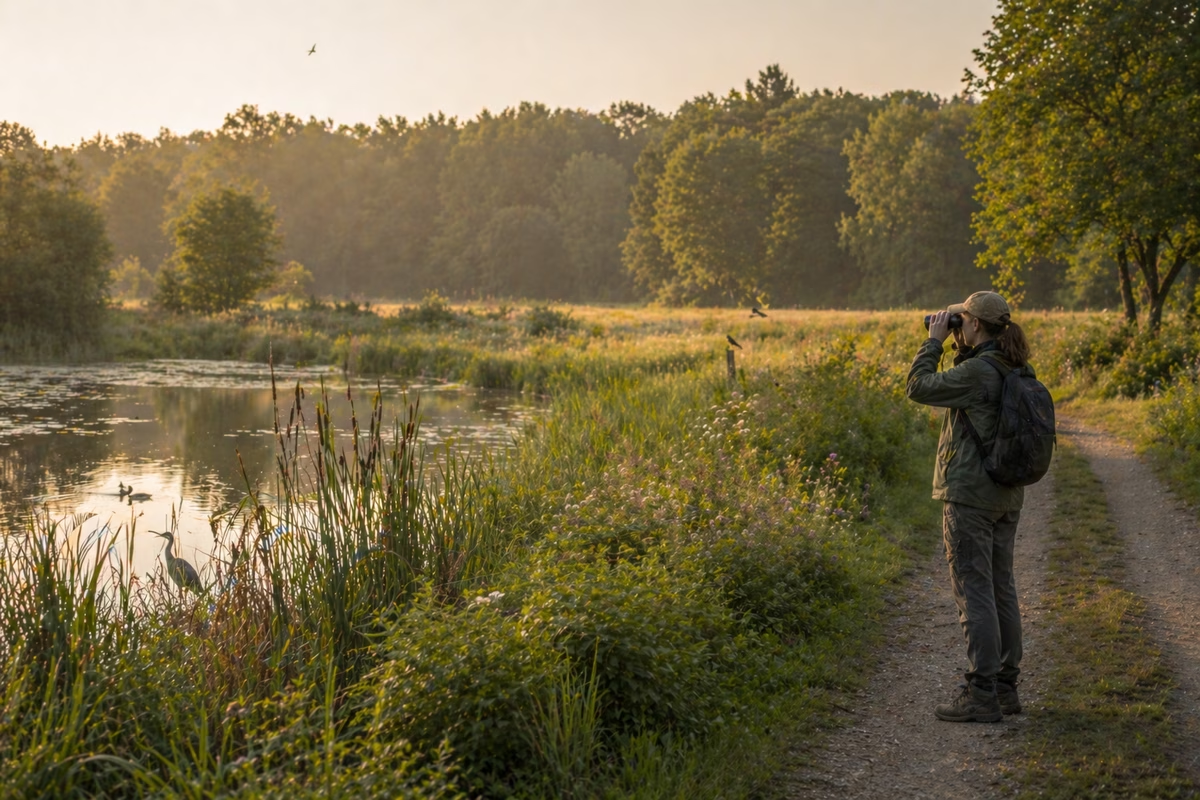
Finding birds is partly luck, but it is not random. Birds gather where their needs are met: food, water, shelter, nesting space, and safe travel routes.
Once you start reading places that way, birding gets easier. You stop asking, “Where are all the birds?” and start asking, “What would a bird use here?”
Start with edges
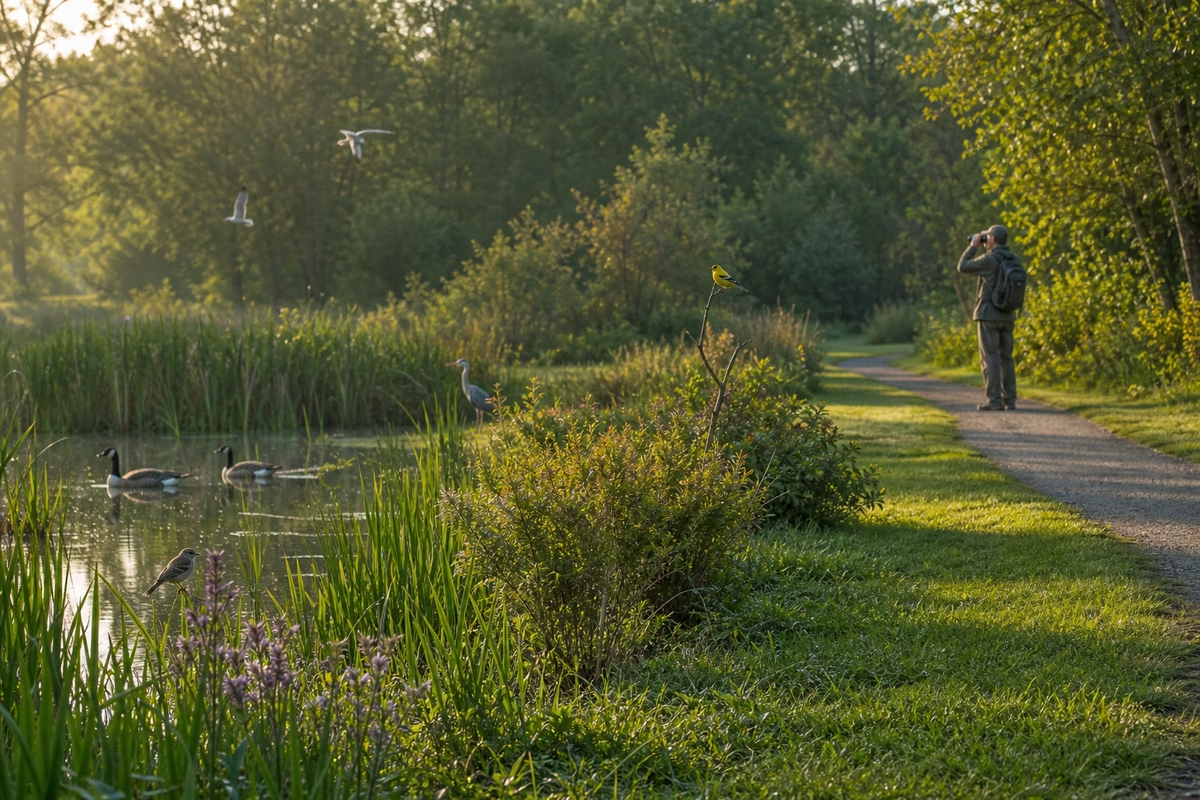
Edges are where two habitats meet. They are often lively because they offer more choices in a small area.
Good edges include:
- forest and meadow
- pond and reeds
- beach and dune grass
- lawn and shrubs
- river and trees
- farmland and hedgerow
- parking lot and landscaped trees
Edges give birds perches, cover, insects, seeds, water, and open sightlines. For beginners, they are easier than deep forest because you can see movement and follow birds more easily.
Water is almost always worth checking
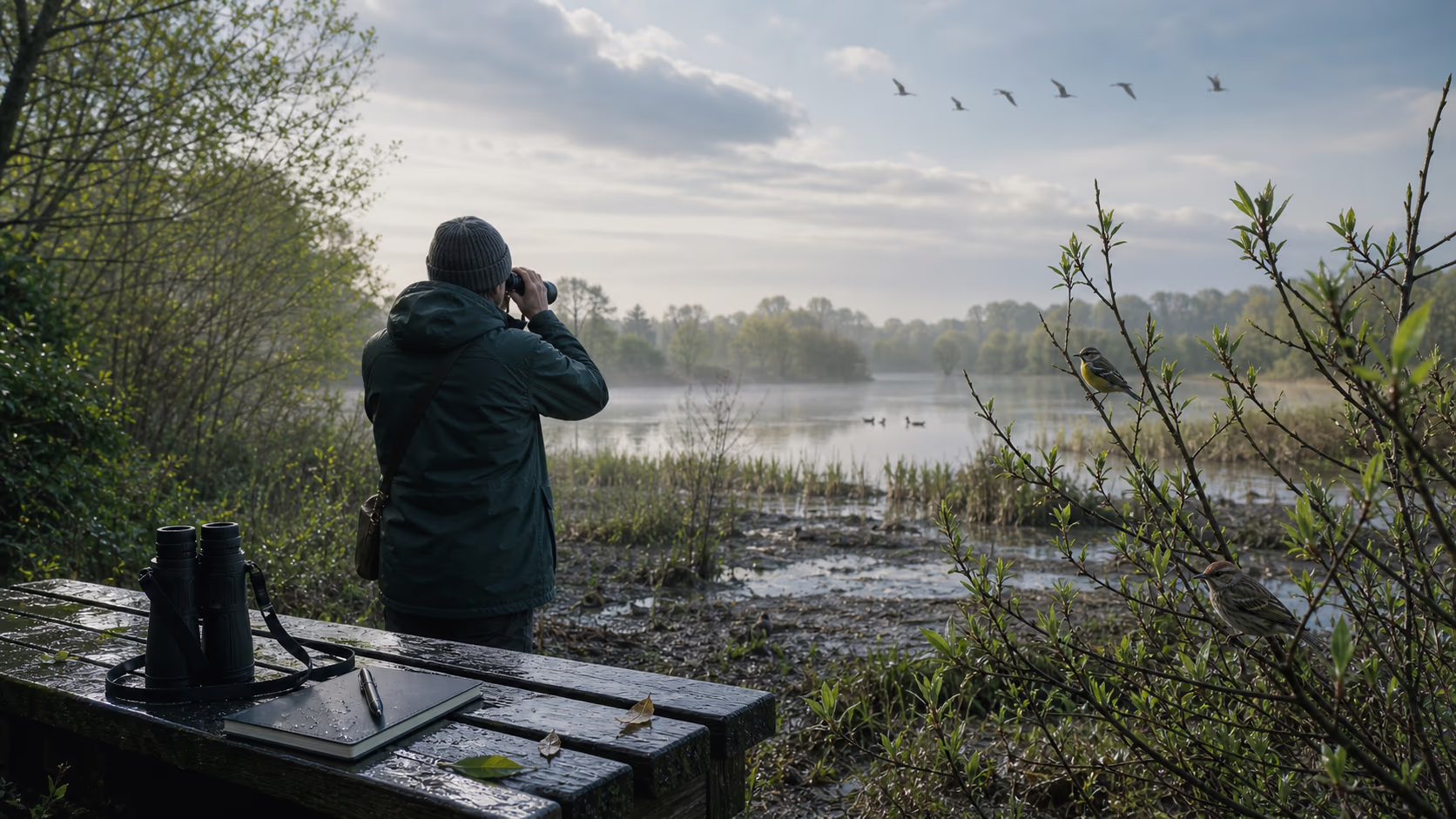
Ponds, lakes, rivers, marshes, drainage basins, and shorelines attract birds even in built-up areas.
Around water, look for:
- ducks and geese on open water
- herons along edges
- swallows and swifts feeding over the surface
- kingfishers on exposed branches
- shorebirds on mud or sand
- gulls and terns near open shore
- blackbirds in reeds
Walk slowly along the edge, but do not crowd birds. Water birds often look relaxed until they suddenly swim away from pressure. If birds keep moving away from you, you are too close.
Learn your local ordinary places
Famous birding hotspots are useful, but ordinary places teach you faster because you can visit them often.
Pick a local route you can repeat:
- a park loop
- a pond path
- a cemetery road
- a neighborhood with mature trees
- a creek trail
- a short beach or lakefront walk
Repeated visits reveal change. The same place can feel empty one week and alive the next. You notice first arrivals, nesting behavior, fledglings, winter flocks, and seasonal absences.
Before a repeat visit, the Birds to Look For This Week planner can turn recent nearby bird sightings into a small seasonal checklist for that same route.
Morning helps, but it is not magic
Early morning is often productive because many birds feed and sing after sunrise. The air is cooler, insects are active, and human disturbance may be lower.
But do not let perfect timing stop you. Birds still exist at lunch. Ducks still float in the afternoon. Raptors may soar better once thermals rise. Owls, nightjars, and some marsh birds become active near dusk.
The best birding time is the time you can actually go.
Season changes everything
Birding has a calendar.
Spring
Spring brings migration, song, courtship, nesting, and bright breeding plumage. It can be exciting and overwhelming. Many birds move quickly through trees, and leaves can hide them. Listen as much as you look.
Summer
Summer is nesting season in many places. Birds may be quieter after breeding, but young birds appear, adults carry food, and behavior becomes fascinating. Heat matters, so early and late walks are more comfortable.
Fall
Fall migration can be excellent but subtler. Birds may be less colorful and less vocal. Watch fruiting trees, shorelines, mudflats, hawk watch sites, and weedy fields.
Winter
Winter birding is underrated. Fewer leaves make birds easier to see, waterfowl gather, mixed flocks move through woods, and feeders become active. The species list may be shorter, but the views can be better.
Weather matters
Weather changes bird behavior.
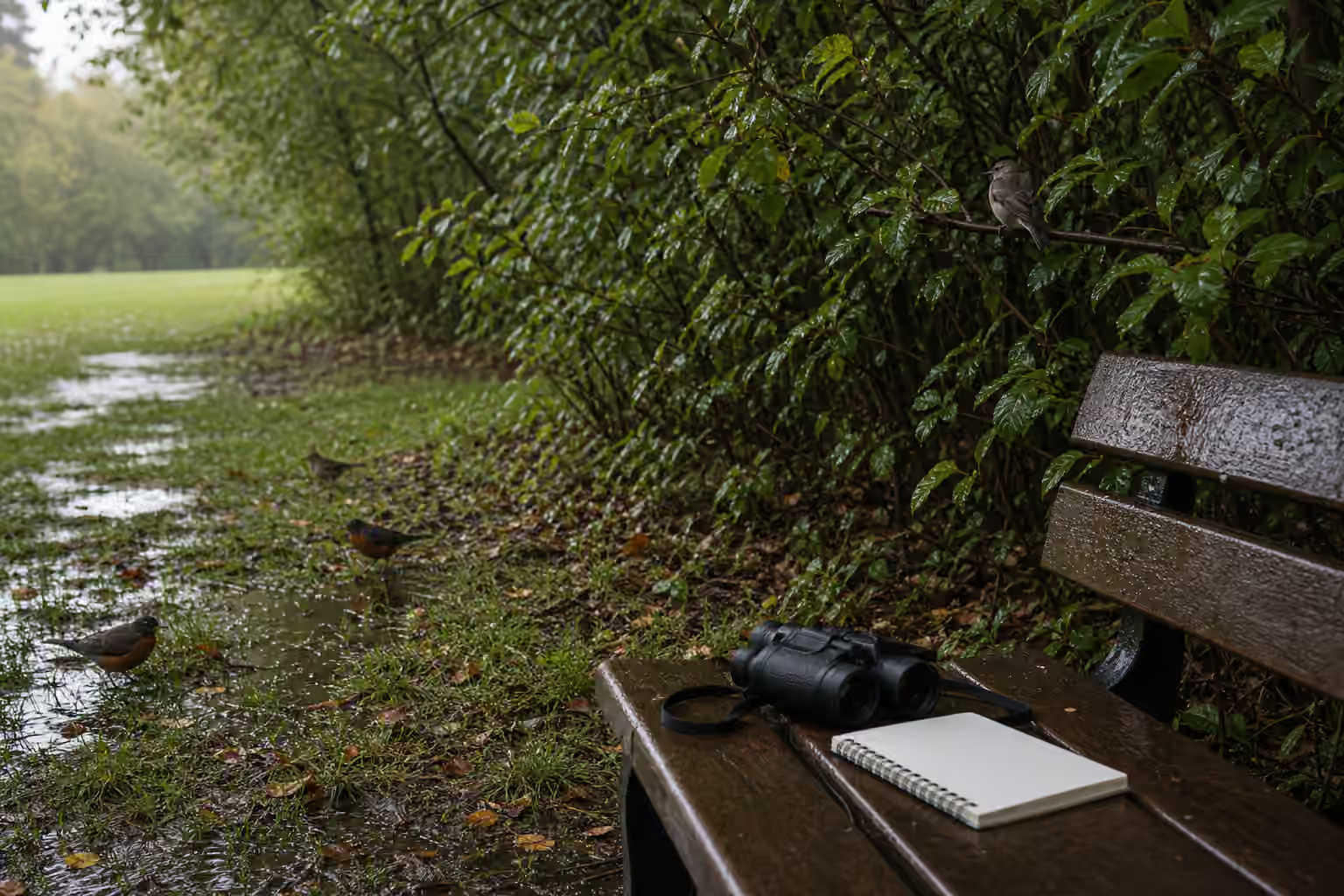
Light rain can make birds active, especially after it stops. Heavy rain or strong wind can reduce activity and make binoculars miserable. Cold snaps can concentrate birds around food and open water. Warm sunny breaks can wake insects and bring birds out to feed.
During migration, weather can create surprising days. A night of movement followed by morning rain may leave migrants feeding low. But you do not need to chase weather patterns as a beginner. Just write down the weather and notice what happens.
How to walk a route
Move slower than feels normal.
Try this rhythm:
- Walk twenty or thirty steps.
- Stop.
- Scan high, middle, low, and ground.
- Listen.
- Watch one bird before moving on.
Birds notice movement. If you keep walking while scanning, you will miss small shifts in shrubs and branches. Stopping turns the world back on.
Sit spots are powerful
A sit spot is exactly what it sounds like: one place where you sit quietly and watch.
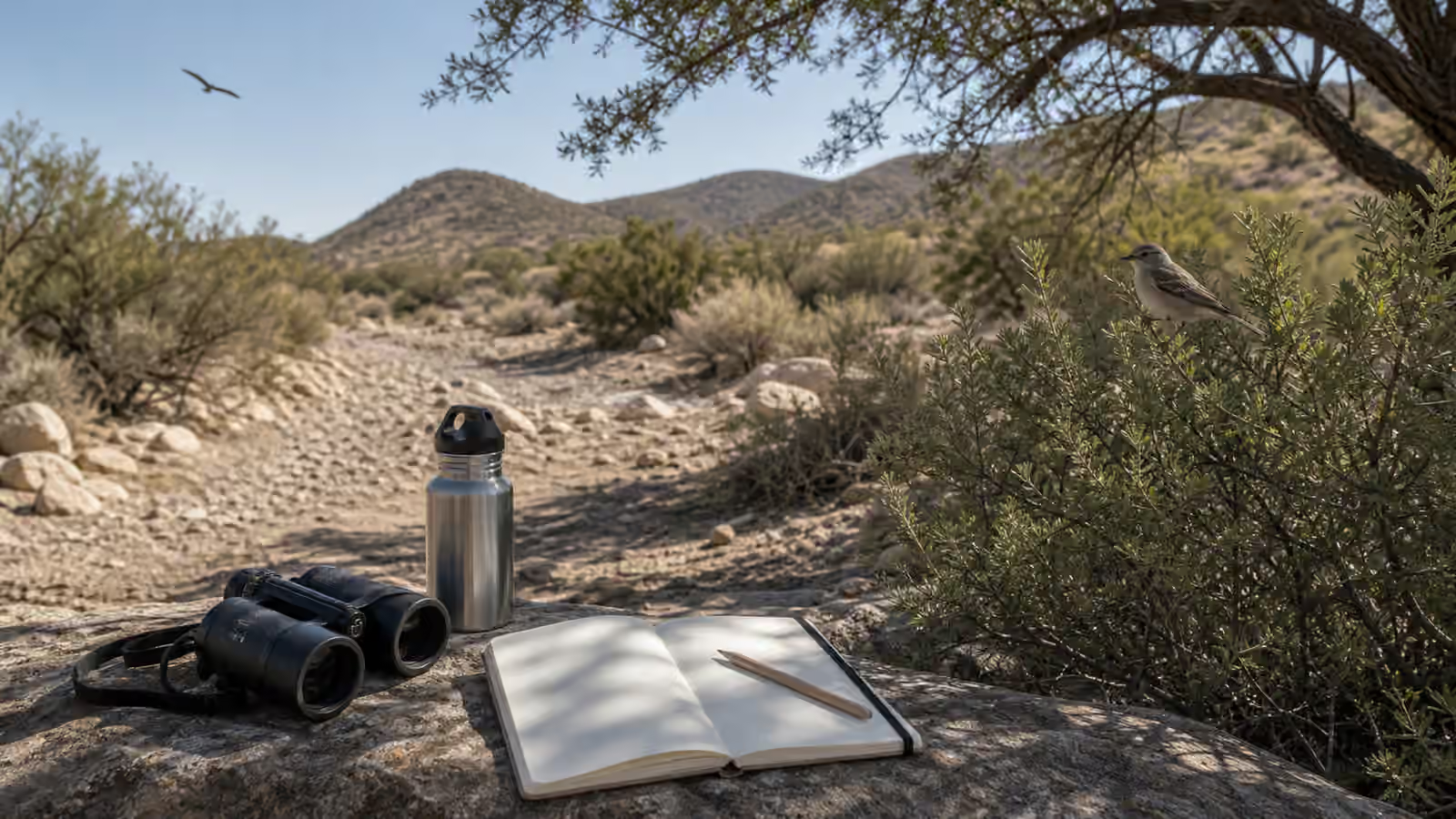
Choose a bench, log, picnic table, or patch of shade with a view of cover and open space. Stay for fifteen minutes. The first few minutes may feel empty. Then you may notice calls, wing flicks, feeding paths, and birds returning after you stopped moving.
This is one of the best practices for beginners because it removes the pressure to cover ground.
Backyard and window birding count
Birding from a window is real birding.
A feeder, tree, roofline, alley, balcony, or courtyard can teach behavior and seasonality. Watch how birds take turns, which species dominate, which arrive in pairs, and how weather changes activity.
If you feed birds, keep feeders clean and place them with safety in mind. Dirty feeders can spread disease, and poorly placed feeders can increase window strikes or predator risk.
Beginner routes that work
The pond loop
Start at one edge of the water. Scan open water first, then reeds, then nearby trees. Look for ducks, herons, swallows, blackbirds, and songbirds using shrubs.
The neighborhood tree walk
Walk slowly under mature trees. Watch trunks, outer branches, lawns, wires, and rooflines. This route is good for woodpeckers, robins, crows, jays, doves, and small songbirds.
The meadow edge
Stand where grass, shrubs, and trees meet. Watch fence posts, seed heads, low bushes, and overhead sky. This is good for sparrows, finches, swallows, raptors, and flycatchers depending on region and season.
The waterfront scan
At a beach, lake, or river, scan from near to far. Check pilings, rocks, floating birds, exposed mud, and the sky. A scope helps later, but binoculars are enough to begin.
Know when to leave birds alone
If a bird changes behavior because of you, back up.
Warning signs include:
- repeated alarm calls
- bird moving away every time you step forward
- adult carrying food but refusing to approach a nest area
- flushed birds leaving a feeding or resting place
- groups repeatedly taking flight
Good birding is not about proving how close you can get. It is about seeing without forcing.
What to read next
Once you know where to go, learn how to record what you see and how to behave around birds and other birders. Read Birding Etiquette and Field Notes .